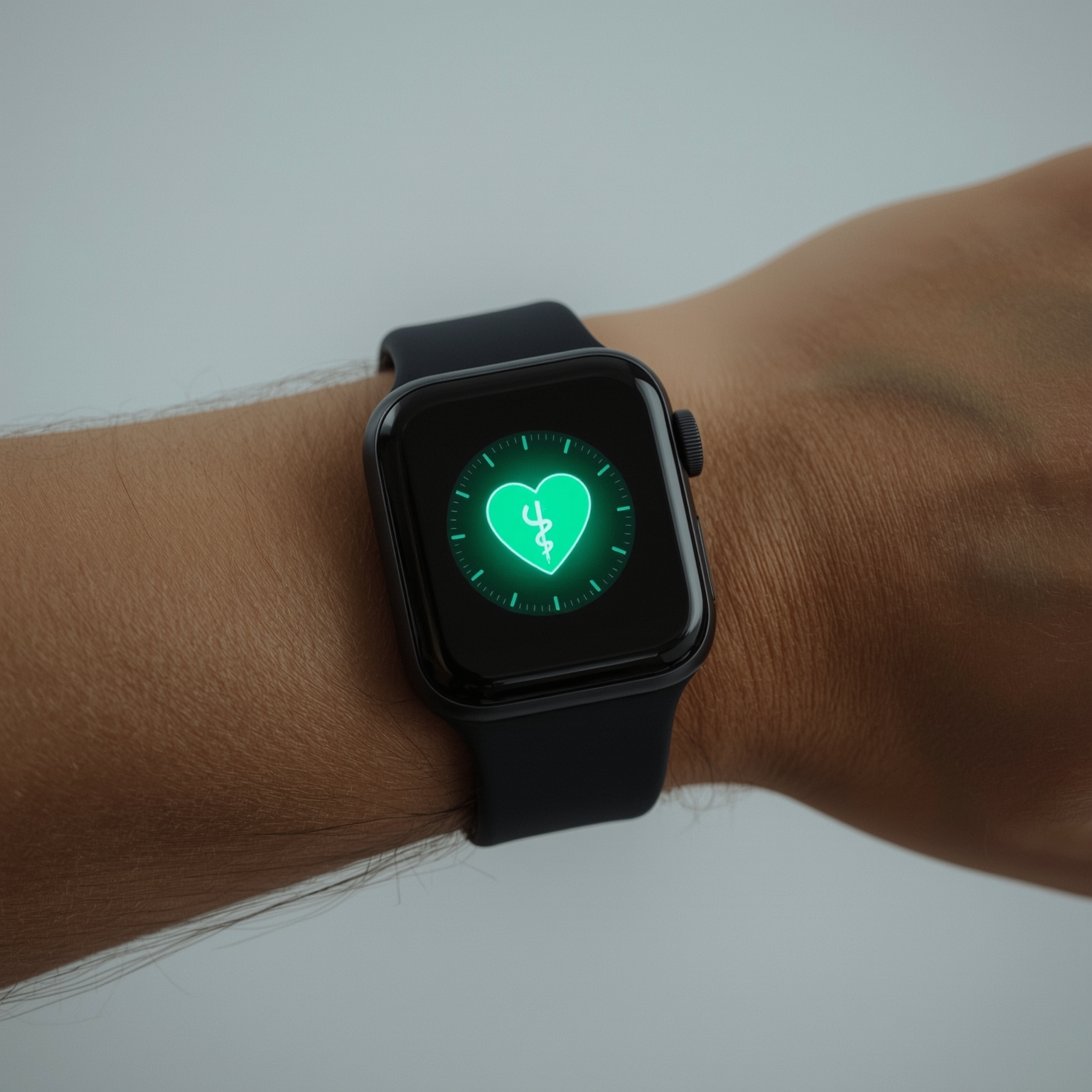
During its highly anticipated annual iPhone showcase held on Tuesday, Apple revealed an important addition to its suite of health-focused technologies: forthcoming notifications designed to identify possible signs of hypertension, or high blood pressure. This new feature builds upon Apple’s steadily expanding portfolio of wellness alerts, which currently includes options for conditions such as sleep apnea, cardiovascular health, and exposure to excessive environmental noise. Crucially, these hypertension-related notifications will not be limited to Apple’s newest wearable devices—the Apple Watch Series 11 and the Apple Watch Ultra 3—but will extend to a broader range of recent models as well, ensuring that many existing users can benefit from the update. In what follows, we will examine in detail both the functionality and availability of this feature, as well as its significance and underlying technology.
But first, it is important to understand what hypertension itself entails. Commonly referred to as high blood pressure, hypertension occurs when the force exerted by circulating blood against the inner walls of the body’s arteries remains consistently elevated. According to the American Heart Association, this heightened pressure can place considerable strain on the heart and blood vessels, ultimately raising the risk of severe complications such as strokes, heart attacks, and other cardiovascular disorders. Although many people incorrectly assume hypertension to be primarily a condition affecting middle-aged or elderly adults, it can, in fact, occur across all age demographics. Worryingly, statistics from the World Health Organization highlight the scope of the issue: approximately 1.3 billion adults globally are estimated to be affected. Even more concerning is that nearly half of these individuals—about 46%—are unaware of their condition, as hypertension is often silent and symptom-free. The only reliable method for identifying the disease is through direct blood pressure measurement with appropriate medical equipment.
Apple’s new notification system aims to address this challenge by providing an early-warning signal for individuals who may be unknowingly living with elevated blood pressure. The system relies on the Apple Watch’s optical heart sensor, which employs the principle of photoplethysmography (commonly abbreviated as PPG). PPG works by shining light into the skin and detecting subtle changes in blood volume that occur with each pulse of the heart. Apple leverages this PPG data alongside motion information from the watch’s accelerometer to ensure readings are collected only when the user is relatively still, thereby improving accuracy. The watch collects short 60‑second intervals of these PPG signals approximately every two hours. Then, using deep learning algorithms, the device analyzes data spanning 30‑day periods. If the algorithms consistently detect physiological patterns associated with high blood pressure, the system issues a hypertension notification.
It is important to note, however, that these notifications are not designed to capture every single instance of hypertension, nor are they a substitute for medical diagnostics. Still, Apple estimates that within the first year alone, over one million individuals who previously had no awareness of their condition could be newly alerted to the possibility of hypertension. This kind of early identification is especially impactful because timely lifestyle adjustments—such as improvements in diet, exercise, or stress management—as well as prescribed medical interventions can substantially reduce the risks associated with uncontrolled high blood pressure. Because the condition often presents without any symptoms, a proactive alert delivered directly through a widely used consumer device offers an opportunity for individuals to take potentially lifesaving steps earlier than they otherwise would.
If a person receives a hypertension notification, Apple advises a measured follow-up procedure: logging blood pressure scores at home with a clinically approved third-party cuff for at least seven consecutive days, then sharing those records with a medical professional for confirmation and guidance. The notifications are not intended for everyone, however. Apple specifies that the feature is not designed for individuals under age 22, pregnant individuals, or those who have already been diagnosed with hypertension.
To clarify, these hypertension notifications must not be confused with actual blood pressure readings. A traditional blood pressure cuff works by inflating and temporarily constricting the artery in the arm, directly measuring the changing force of blood flow as pressure is applied and released. This method provides a precise and clinically recognized reading. By contrast, the Apple Watch’s optical sensors cannot replicate this mechanical measurement, meaning they cannot provide absolute numerical blood pressure values. Instead, they detect physiological patterns suggestive of consistently elevated pressure. In other words, the Apple Watch can alert users to a potential issue but cannot replace a blood pressure monitor, which remains the gold standard for diagnosis.
Behind the scenes, the development of these notifications is underpinned by extensive research. Apple drew upon data gathered from multiple large-scale studies involving upwards of 100,000 participants to train the machine learning models. The resulting algorithms were subsequently validated through a clinical trial encompassing more than 2,000 individuals, adding further credibility to the system’s reliability.
From an availability standpoint, Apple plans an expansive rollout. Beginning this month, hypertension notifications will be offered in over 150 countries and regions worldwide, including major markets such as the United States and Europe. The feature will be accessible on Apple Watch models Series 9 and newer, as well as Ultra 2 and newer editions, provided the devices are running watchOS 26. Specifically, when watchOS 26 becomes available on September 15, the Series 9, Series 10, and Ultra 2 will immediately gain access to hypertension notifications. Meanwhile, the Apple Watch Series 11 and Ultra 3, scheduled for release on September 19, will ship with the functionality already included.
In terms of regulatory status, Apple has already achieved a significant milestone. As of September 11, the company received clearance from the US Food and Drug Administration (FDA) for this new health feature, further underscoring its medical legitimacy in addition to its consumer appeal.
Taken as a whole, Apple’s introduction of hypertension notifications represents a noteworthy advancement in the blending of wearable technology with preventive health care. By seamlessly integrating sophisticated physiological monitoring and advanced algorithmic analysis into a widely used consumer device, Apple is offering millions of users an accessible tool that may empower them to take control of their cardiovascular health in an earlier, more proactive manner.
Sourse: https://www.cnet.com/health/medical/apples-high-blood-pressure-alerts-when-and-where-theyll-be-available/#ftag=CAD590a51e