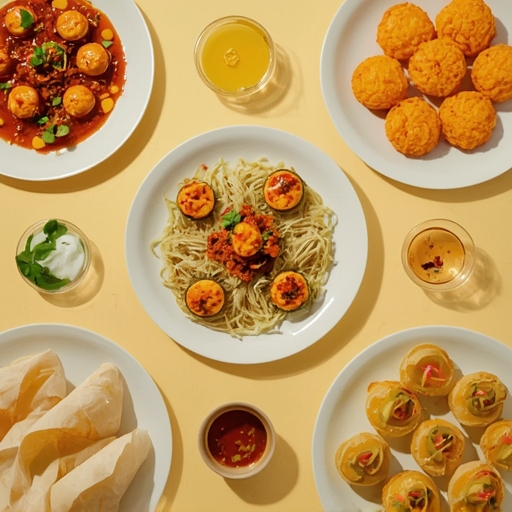
By the year 2026, the global culinary scene will embark on a vibrant transformation characterized by extraordinary creativity, an adventurous spirit of experimentation, and a celebration of multicultural influences. One of the central pillars of this new gastronomic era will be the widespread adoption of sweet-and-spicy flavor combinations. This playful duality—where sugar meets heat—will define the next generation of sauces, desserts, and snacks, creating sensory-rich experiences that strike a perfect balance between comfort and excitement. Restaurants and home chefs alike will explore the art of blending chili with honey, mango with pepper, or chocolate with cayenne to produce dishes that both surprise and delight the palate.
Accompanying this flavor revolution will be an emphasis on innovation through scale and form. In particular, bite-sized creations—carefully crafted to pack immense flavor into compact portions—will dominate dining landscapes across continents. From intricately designed amuse-bouches in fine dining establishments to portable, flavor-dense snacks in fast-casual eateries, miniature meals will cater to contemporary consumers, who value convenience without sacrificing sophistication or sensory pleasure. This shift not only mirrors the increasing pace of modern lifestyles but also reflects a heightened awareness of sustainability and portion control.
Meanwhile, a humble yet versatile ingredient—cabbage—will experience an impressive renaissance. Once relegated to the sidelines of global cuisine, this cruciferous powerhouse will reemerge as a culinary canvas for creativity. Expect to see chefs transform cabbage into roasted entrées, fermented sides, and inventive plant-based wraps. Driven by its nutritional value, affordability, and adaptability to diverse cooking techniques, cabbage will symbolize the growing pursuit of sustainable dining and the elevation of everyday produce into gourmet artistry.
Perhaps the most distinctive hallmark of 2026’s food identity, however, will be the meteoric rise of fast-casual Indian cuisine. As consumers continue to crave authenticity combined with accessibility, this culinary movement will introduce vibrant spices, layered textures, and regional specialties in modern, approachable formats. From masala-infused street sandwiches to tandoori-inspired grain bowls, Indian flavors will captivate a global appetite eager for both comfort and adventure. This evolution will bridge cultural boundaries, inviting diners to experience contemporary interpretations of India’s vast culinary heritage without losing its soulful essence.
Altogether, these emerging trends reveal more than shifts in taste—they signal a redefinition of how food expresses creativity, community, and culture in an interconnected world. The fusion of sweetness with spice, the precision of miniature craftsmanship, the rediscovery of familiar vegetables, and the mainstreaming of richly spiced Indian gastronomy collectively reflect a future where eating is not only about nourishment but about narrative, innovation, and global harmony. In 2026, every dish will tell a story—one that celebrates diversity, honors tradition, and embraces the bold flavors of tomorrow’s kitchen.
Sourse: https://www.businessinsider.com/biggest-food-trends-fast-food-casual-dining-restaurants-2026-1


