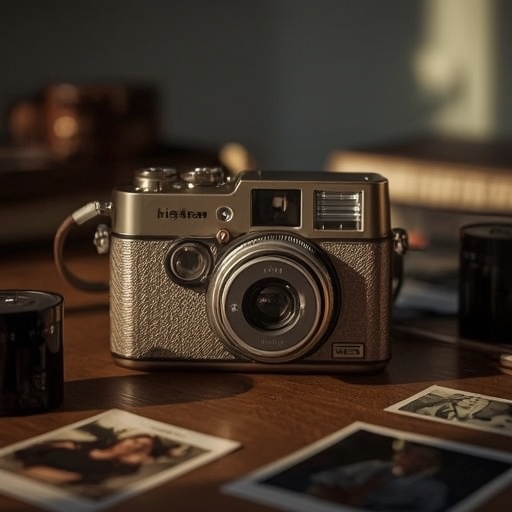
Fujifilm has once again demonstrated its remarkable ability to harmonize nostalgia with modern technological innovation through the introduction of the Instax Mini Evo Cinema. This latest addition to the Instax line is not merely another instant camera; it represents a sophisticated reimagining of how memories are captured, preserved, and creatively expressed. By skillfully blending the essence of vintage film aesthetics with the cutting-edge convenience of contemporary imaging technology, Fujifilm continues to bridge the emotional warmth of the past with the limitless storytelling capabilities of the present.
At first glance, the Instax Mini Evo Cinema evokes a sense of timeless charm, with its design paying eloquent tribute to the celebrated Fujica Single-8 camera of 1965. The carefully crafted exterior, characterized by tactile materials, metallic accents, and deliberate ergonomics, instantly appeals to both photography enthusiasts and those drawn to retro artistry. Yet beneath this nostalgic façade lies a highly advanced hybrid instant camera — one capable of transforming simple moments into cinematic visual narratives.
The most striking advancement in this model is its ability to record 15-second video clips imbued with a vintage cinematic aesthetic. This innovative feature captures fleeting expressions, natural movement, and authentic emotion with a distinctly analog sensibility, while still benefiting from the precision and ease of modern technology. Users can experiment with various retro-inspired filters and effects, allowing each captured clip to possess a nostalgic depth reminiscent of classic film reels. The resulting visual language invites a wistful reflection on the passage of time, while celebrating the immediacy and spontaneity that Instax cameras are known for.
What makes the Instax Mini Evo Cinema particularly compelling is its seamless fusion of analog and digital experiences. Just as one might print an iconic instant photograph to hold a tangible piece of memory, so too can users now record short, atmospheric clips that animate their recollections with gentle movement — a poetic interplay between the static and the dynamic. Printed images evoke permanence and texture, while short videos extend these memories into brief but evocative narratives, enhancing their emotional resonance.
This evolution of the Instax experience illustrates Fujifilm’s ongoing commitment to innovation within its heritage of craftsmanship. The camera’s design philosophy embodies a dialogue between eras: while its aesthetics nod respectfully to the visual culture of mid-twentieth-century filmmaking, its technology speaks fluently in the language of the twenty-first century. It invites users to rediscover joy in visual storytelling — not as mere documentation, but as expressive artistry that engages both heart and imagination.
With the Instax Mini Evo Cinema, Fujifilm has masterfully recaptured the sentimental spirit of instant photography, while infusing it with cinematic vitality. Each printed snapshot and recorded frame echoes a balance of artistry, nostalgia, and invention. The device encourages photographers and storytellers alike to see memory not just as a static image, but as a living fragment — a brief, luminous flicker that connects past experience with present emotion.
In essence, this hybrid camera does more than capture images; it transforms the act of recording life into an artful, sensory experience. It reminds us that while technology continues to advance, the emotional core of photography — our desire to preserve, share, and relive genuine moments — remains timeless. The Instax Mini Evo Cinema stands as a creative bridge between generations, reaffirming Fujifilm’s enduring pursuit of innovation grounded in authenticity and aesthetic grace.
Sourse: https://www.theverge.com/tech/857798/fujifilm-instax-mini-evo-cinema-printer-instant-camera-video-effects


