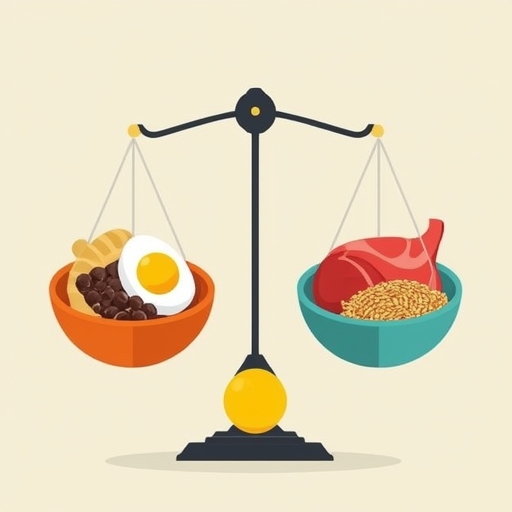
The recently updated dietary recommendations from the U.S. government have generated considerable public debate, particularly for their strong emphasis on increasing the intake of protein while simultaneously reducing the consumption of whole grains. This revision represents a significant shift in national nutrition priorities, suggesting a modern movement toward what some commentators have termed ‘proteinmaxxing’—the practice of deliberately maximizing protein consumption across meals and snacks in pursuit of perceived health or fitness benefits. However, while this approach might seem consistent with popular wellness trends and the growing influence of high-protein diets, numerous health professionals and registered dietitians have expressed growing concern that such a singular focus could ultimately be misguided or even counterproductive when considered through a long-term lens.
According to experts specializing in metabolic health and nutritional epidemiology, an excessive prioritization of protein may encourage unbalanced eating patterns that inadvertently displace other essential food groups, such as fruits, vegetables, legumes, and whole grains. Although protein undeniably plays a crucial role in repairing tissues, supporting muscle development, and maintaining key physiological processes, its benefits cannot be viewed in isolation from the broader context of dietary diversity. Whole grains, in particular, contribute complex carbohydrates, dietary fiber, B vitamins, and a range of micronutrients that are instrumental in supporting digestive health, heart function, and sustained energy levels. When these components are minimized in favor of protein-heavy alternatives, the body may gradually experience nutrient imbalances that undermine the very wellness goals intended by a high-protein regimen.
Dietitians further emphasize that moderation remains the cornerstone of sound nutritional practice. Rather than ‘maxxing out’ on any one macronutrient, achieving a harmonious equilibrium between proteins, healthy fats, and carbohydrates tends to promote more stable health outcomes. For most individuals, this balance not only supports physical performance and body composition but also enhances mental clarity and metabolic resilience. In short, the human body thrives on variety, not extremity.
Ultimately, the overarching message conveyed by health professionals calls for balance, mindfulness, and an appreciation for holistic dietary patterns over rigid nutrient hierarchies. While the allure of high-protein eating is understandable in an age that celebrates strength and productivity, nutrition experts caution that more does not always mean better. Future policy discussions, they argue, should focus less on amplifying a single nutrient and more on integrating an inclusive view of nourishment—one that honors both scientific evidence and the complexity of human dietary needs.
Sourse: https://www.businessinsider.com/new-protein-guidelines-how-to-eat-more-without-too-much-2026-1


