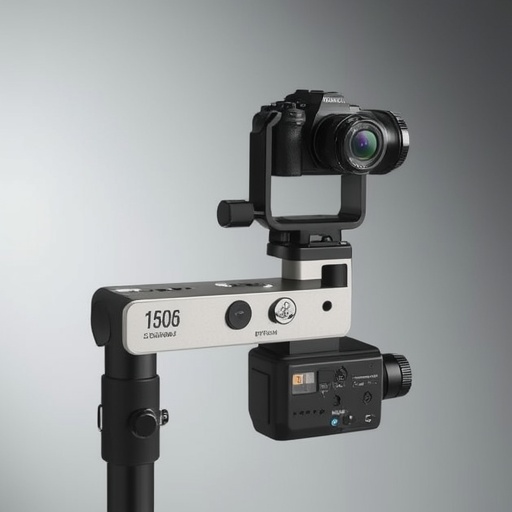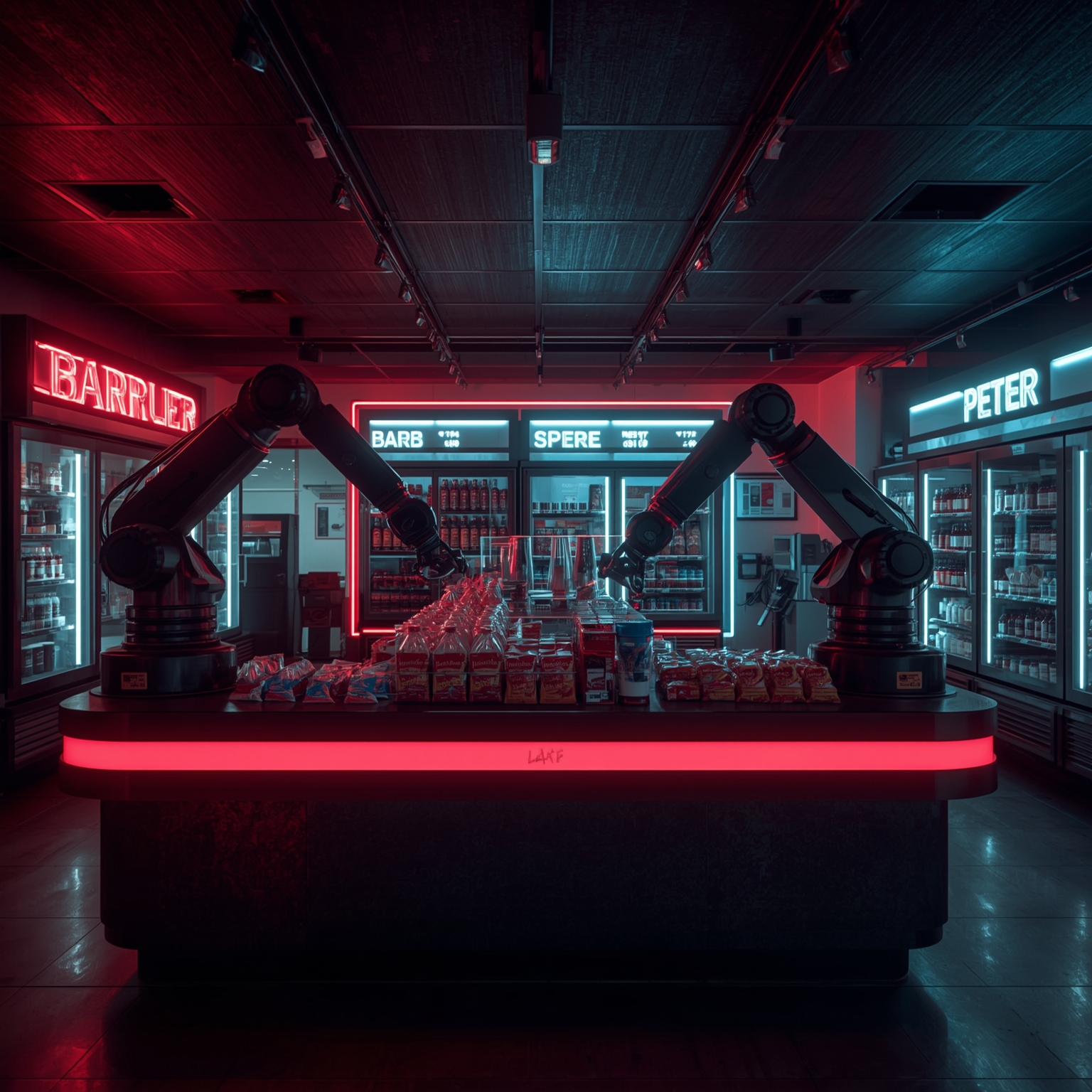
Barb and Peter proved to be remarkably adept attendants, functioning with a level of precision and consistency that one might expect not from humans but from well-calibrated machines. Their service was characterized by swiftness, efficiency, and an almost clinical cleanliness. As I lingered over the digital menu, debating between various snack and beverage options, they waited without any display of impatience. Importantly, there was no attempt to pressure me into purchasing more than I wanted—no subtle upselling, no nudging toward added items—just the dignified execution of my final selection. When it came time to fulfill my order, every movement was carried out with deliberate care, as though the act of transferring a bottle of water or a can of chips was a task worthy of elegance.
What makes this particularly striking is that Barb and Peter are not employees in the traditional sense, but rather two highly sophisticated robotic arms installed at VenHub, a groundbreaking 24-hour automated convenience store concept. Four such stores debuted this year in Los Angeles alone. Unlike conventional shops, VenHub operates with no on-site human staff. Instead, the robotic arms handle the entirety of the customer-facing interaction by grasping requested goods from within the store and seamlessly delivering them to waiting patrons. The inventory mirrors that of a traditional corner shop: salty snacks, sodas, over-the-counter pharmaceuticals, pet supplies, and even modestly priced electronics, though the items in stock are adjusted according to each branch’s neighborhood needs.
According to a representative from VenHub, the company was designed as a direct response to many persistent challenges within the retail sector. By eliminating the dependence on human labor, these stores reduce costs associated with wages, sidestep ongoing staffing shortages, and minimize losses due to theft. Furthermore, automated operations dissolve barriers related to limited opening hours and shrinking profit margins tied to high overhead expenses. VenHub operates both its own corporate-owned locations and also sells what it describes as “Smart Stores” to interested businesses and entrepreneurs. These modular units begin at an investment of roughly $250,000. Unlike a franchise, store buyers maintain autonomy over branding decisions and the specific range of inventory they offer; however, they are bound to pay VenHub a $2,500 monthly software services fee, ensuring the company’s continued role in the location’s intelligence and systems management.
One of the enterprise’s distinguishing components is its reliance on artificial intelligence. This platform recognizes individual products, manages supply levels intelligently, and adjusts orders fluidly based on factors such as seasonality, weather, and local consumer habits. Over time, the system learns from customer behaviors to refine how products are displayed and arranged, yielding layouts that maximize accessibility and sales. As VenHub’s spokesperson explained, the company’s true aim is to offer solutions both for underserved residential areas and for high-density environments, while simultaneously lowering the financial and logistical barriers of entry for entrepreneurs and large brands to establish retail locations.
My own visit revealed just how streamlined and novel the shopping process can feel. On a bright Wednesday at midday, I traveled to Verdugo Road in Glendale’s Montrose district, a suburb lying directly north of Los Angeles, to watch Barb and Peter perform their carefully engineered choreography. The store itself bore the proportions and industrial appearance of a modified shipping container—22 feet wide, 10 feet deep, and 10 feet tall—situated prominently along the pedestrian walkway. Its design featured expansive windows that provided a clear view of the robotic attendants inside and the neatly arrayed merchandise awaiting selection. Curiously, there was no entrance for customers; instead, interaction began at a screen positioned outside.
Rather than a walk-in experience, access was mediated through technology. A sign displayed a QR code directing me to download the VenHub app and create an account before being able to engage with the store. At first, this felt slightly inconvenient. Yet once completed, the system’s advantages became clear since repeat customers would not need to repeat this step. The app itself functioned similarly to well-known online food delivery platforms, presenting items by category and allowing keyword searches. For my trial purchase, I added a bottle of Fiji water and a canister of Pringles. Payment was processed seamlessly through Apple Pay.
Almost immediately following confirmation, the dormant robots leapt into precise motion. From my vantage point outside, I observed the mechanical choreography unfold. One refrigerator door slid open as Peter extended toward it, his twin-pronged grip steady until he secured the sparkling water bottle. He then swiveled smoothly along his track, placing the item gently into a numbered bin. Meanwhile, Barbara carried out the retrieval of my chosen snack with equally meticulous coordination. When both had completed their tasks, the app notified me that bin number two contained my order. The compartment door withdrew for 30 seconds, giving me ample time to collect my purchase before closing automatically.
Eager to test consistency, I placed another order. The experience was repeated: faultless robotic dexterity, promptness, and an elegance in execution that surpassed any expectation I had for mechanized snack delivery.
In its overall structure and function, the VenHub store resembled a vending machine on a grand scale, but with the flexibility to handle items much larger, more fragile, or unusually sized than what typical vending slots could contain. On display were energy drinks, pet food, first-aid kits, condiments, and even reasonably priced wireless earbuds—underscoring the store’s versatility. Though the initial friction of creating an account might discourage some, subsequent transactions are effortless enough to cultivate repeat use. If I lived closer—current locations include Hollywood, North Hollywood, and the LAX Metro Transit Center—I could easily imagine myself returning frequently.
Company representatives highlighted that the placement of these stores is deliberate. Establishing them in high-traffic zones maximizes exposure and convenience while capturing the interest of pedestrians who may enjoy the novelty as much as the practicality. Expansion outside Los Angeles and eventually abroad is part of their long-term plan.
Of course, some will inevitably prefer the familiarity and immediacy of conventional convenience stores, where a customer can physically browse and grab items without needing to place a digital order. But in walkable districts, VenHub holds distinct appeal. Customers could, for instance, place an order through their phone at home, stroll over, and retrieve their goods in mere seconds, bypassing entry into a staffed shop entirely. Its benefits become particularly apparent in lively districts such as Hollywood, where crowds frequent streets at all hours. Patrons leaving nightlife venues might welcome the opportunity to order food or drinks en route to a ride home. And because the store never closes, Barb and Peter stand perpetually on duty, icons of an automated future: tireless, efficient, and unwaveringly ready to serve.
Sourse: https://www.businessinsider.com/venhub-convenience-stores-run-by-robots-no-humans-ai-2025-9