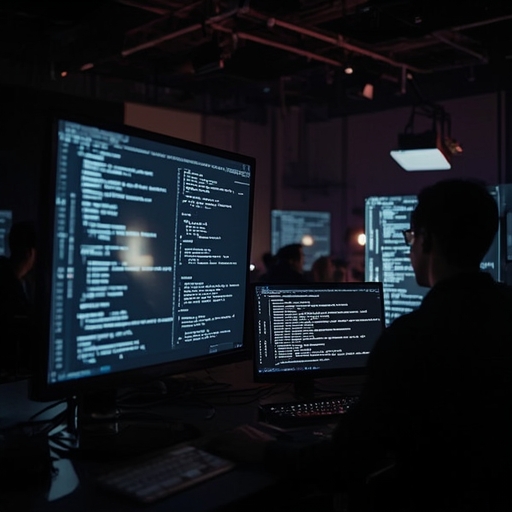
The newly released behind‑the‑scenes documentary for *Stranger Things 5* has unexpectedly ignited a wave of online fascination and controversy, not merely because of its revealing look at the series’ production process, but due to a brief, easily overlooked moment that captured the attention of eagle‑eyed viewers. In one fleeting frame, a computer monitor seemed to display a reference to ChatGPT—OpenAI’s well‑known conversational AI—setting off an immediate storm of speculation across social media. Fans and critics alike rushed to discuss what the mention could signify: was it simply a technical coincidence, a playful inclusion by the crew, or evidence that artificial intelligence is already edging into the creative decision‑making process behind major television franchises?
Director **Martina Radwan**, who helmed the documentary *One Last Adventure: The Making of Stranger Things 5*, soon addressed the growing debate. Her remarks, though measured and pragmatic, deepened rather than diminished the conversation. She explained that the filming environment was filled with research materials, writing tools, and draft notes, and that the ChatGPT appearance was not intended as any hidden statement. Nevertheless, her clarification provoked further reflection on how deeply digital assistance and automation now permeate modern creative work.
This minor on‑screen detail rapidly evolved into a microcosm of a much larger discussion: the uneasy yet inevitable convergence of artistry and algorithm. Within contemporary filmmaking, AI has become an invisible collaborator—capable of accelerating production workflows, analyzing scripts, generating ideas, and even suggesting camera or lighting configurations. However, these efficiencies come attached to moral and aesthetic dilemmas. When technology begins to intertwine with imagination, where should we draw the border that preserves human authorship, authenticity, and emotional depth?
The documentary’s brief technological cameo thus transcended its original context. It served as an unplanned prompt, urging audiences and creators to re‑examine the balance between innovation and integrity. Supporters viewed it as a reflection of the industry’s evolving tools, while skeptics saw in it a warning sign that automation might erode the spontaneity of human storytelling. Regardless of interpretation, the frenzy underscored a fundamental truth: cinema and digital intelligence are destined to coexist. The challenge lies not in resisting this reality, but in shaping it ethically, transparently, and imaginatively, ensuring that each new creative partnership between filmmaker and machine continues to amplify empathy and artistry rather than diminish them.
Sourse: https://gizmodo.com/stranger-things-duffer-brothers-chatgpt-netflix-2000709898