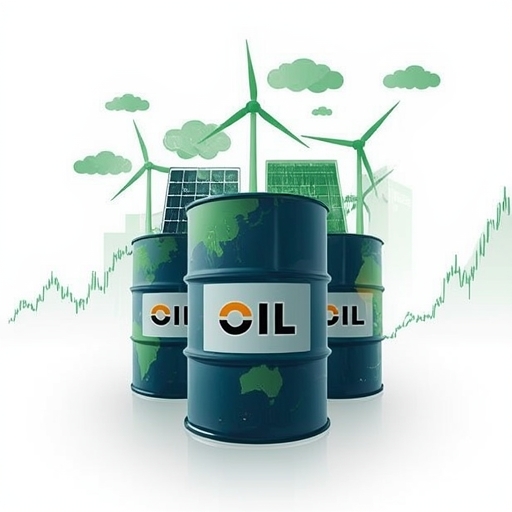
BP, one of the world’s most prominent multinational energy corporations, has signaled a period of significant turbulence ahead, cautioning investors and industry observers alike about difficult financial headwinds. The company has warned that its oil-trading operations, traditionally a reliable source of profit amid market fluctuations, are currently experiencing weakness that may exert notable downward pressure on its upcoming earnings. This situation compounds an even more concerning development: BP anticipates recording an impairment of as much as five billion dollars in the valuation of its low-carbon division, a business segment that has been central to the firm’s long-term environmental and strategic transformation.
This dual challenge—declining oil-trading performance and a potential multibillion-dollar write-down—highlights the inherent volatility and complexity of the modern global energy marketplace. Even for a corporation of BP’s scale, technical sophistication, and decades-long experience navigating cyclical markets, the balance between legacy fossil-fuel operations and emerging, cleaner energy ventures remains extraordinarily delicate. The company’s announcement underscores how difficult it is for legacy energy producers to manage short-term profitability while simultaneously pursuing long-term sustainability objectives that satisfy both economic and environmental imperatives.
The implications of BP’s update extend beyond its immediate earnings outlook. Energy investors, policymakers, and competitors will likely view these developments as a vivid illustration of the broader transformation pressures reshaping the sector. As the global economy grapples with fluctuating commodity prices, tightening carbon-reduction goals, and ever-shifting regulatory frameworks, even leading corporations must continually reassess how to allocate capital between traditional oil-based activities and investments in low-carbon innovations such as wind, solar, and hydrogen.
BP’s situation exemplifies the strategic tightrope that many energy giants currently walk: the necessity to maintain shareholder confidence through stable returns from established operations while accelerating the transition toward sustainable technologies that may not yet generate comparable profits. The company’s acknowledgment of potential financial hits therefore serves not only as a warning of short-term earning constraints but also as a testament to the profound and disruptive changes redefining global energy economics. The message is clear—navigating the intersection of profitability and sustainability is no longer optional; it has become the defining challenge of the modern energy era.
Sourse: https://www.wsj.com/business/earnings/bp-warns-of-weak-oil-trading-flags-up-to-5-billion-impairment-in-low-carbon-division-0d643997?mod=pls_whats_news_us_business_f