Apple held one of its most anticipated hardware showcases today, using the opportunity to unveil not only the long-awaited iPhone 17 family, but also significant enhancements to the Apple Watch line, a major refresh of the AirPods Pro series, and the striking debut of the ultra-thin iPhone Air. For Apple users and industry analysts alike, the event reinforced the company’s lifelong commitment to combining aesthetic elegance with technological progress, while also leaving observers eager for the additional products rumored to be on the horizon.
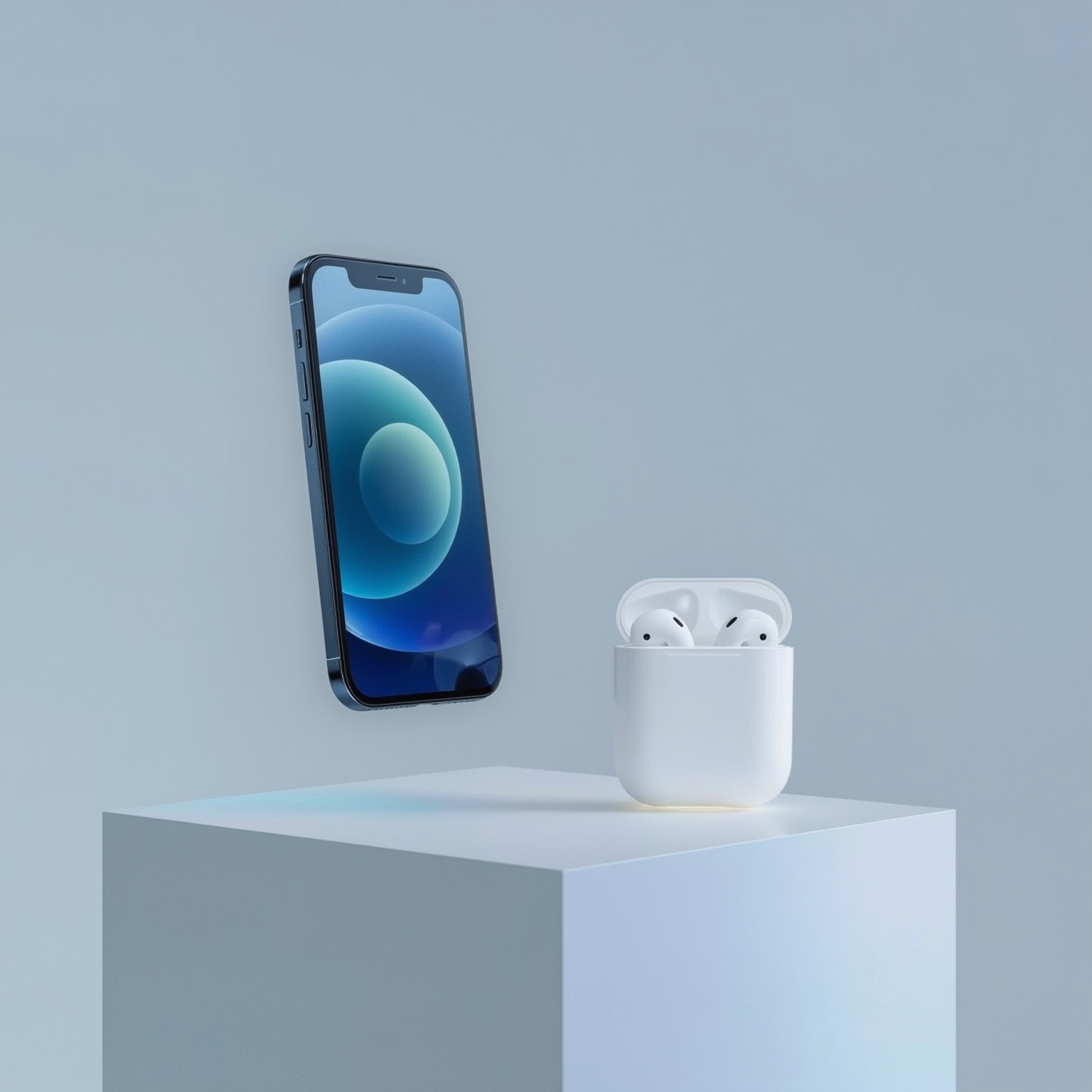
The centerpiece of the announcement was undoubtedly the iPhone 17 range, which includes the standard iPhone 17, iPhone 17 Pro, and iPhone 17 Pro Max. This new generation of smartphones delivers an array of refinements designed to bring the base model more in line with the professional-grade versions. For instance, the iPhone 17 itself now offers a slightly enlarged 6.3‑inch screen — an incremental but notable expansion of 0.2 inches compared to its predecessor, the iPhone 16. Adding to this visual improvement is a significant leap in display technology: the standard model now supports a 120 Hz refresh rate, replacing the previous 60 Hz capacity, and creating a distinctly smoother and more responsive scrolling and gaming experience. Complementing the upgraded display is the inclusion of a 48‑megapixel ultrawide camera, a feature that demonstrates Apple’s heightened emphasis on professional-level photography even at the entry tier of its smartphones. This device also arrives in an expanded palette of finishes, which includes lavender, mist blue, black, white, and sage — colors that underscore Apple’s marriage of style and substance.
When turning attention to the iPhone 17 Pro and Pro Max, some of the most noticeable changes lie in their reconfigured external design. The trio of rear cameras, previously arranged in a clustered layout, have now been unified into a sleek rectangular bar stretching fully across the back of the device. Meanwhile, secondary components such as the flash, light sensor, and built-in microphone have been shifted to the far right-hand side, creating a cleaner and more symmetrical aesthetic. The Apple logo remains centered for visual balance, coinciding with the area where MagSafe accessories attach. Additionally, Apple made a rare decision to switch the frame material from titanium to aluminum, signaling both a cost and weight recalibration without compromising durability. On the pricing front, the baseline iPhone 17 costs $799 and comes with 256GB of storage, while the Pro and Pro Max command $1,099 and $1,199, respectively. These prices demonstrate not only inflationary adjustments but also reflect the increasingly premium positioning of flagship devices. For comparison, the previous generation iPhone 16 began at $699 with only 128GB, showcasing how Apple continues to elevate the entry point for consumers.
Although iPhones understandably dominated the stage, Apple took a moment to introduce complementary accessories, such as the new “TechWoven” cases. These refined protective shells are constructed with a more resilient woven textile material, marking the official end of the ill-fated “FineWoven” cases abandoned after widespread criticism in 2023. The subtle announcement reflected Apple’s continued trial-and-error effort to marry eco-conscious materials with superior durability, although the absence of artificial intelligence updates for Siri proved more conspicuous. In an age where companies like Google have already embedded powerful AI companions within their ecosystems, Apple’s silence on Siri left industry watchers questioning whether its digital assistant can remain competitive in the AI-driven era.
Even with the excitement of the iPhone 17 models, the most jaw‑dropping debut was arguably the iPhone Air. This entirely new entrant replaces the former “Plus” model and constitutes Apple’s thinnest and most design-forward smartphone to date. With a profile measuring a mere 5.6 millimeters, it achieves a level of slimness not only unmatched in Apple’s history but enough to compete directly with rival devices such as Samsung’s Galaxy S25 Edge, which measures 5.8 millimeters. Despite its reduced depth, the iPhone Air incorporates a spacious 6.6‑inch ProMotion display running at 120 Hz. To preserve the ultra‑thin form factor, Apple opted for an eSIM‑only design, eliminating the need for a physical SIM card tray. This bold decision reflects the broader industry shift toward virtualized connectivity and helps streamline the device’s visual appearance. Priced at $999 and available in elegant finishes such as black, white, sky blue, and a soft light gold, the iPhone Air is widely interpreted as Apple’s indirect stepping‑stone toward a foldable device, which analysts suggest could arrive by late 2026.
Apple did not limit its announcements to smartphones. The company also revitalized its wearables lineup with three models: Apple Watch Series 11, Apple Watch Ultra 3, and Apple Watch SE 3. The most headline‑grabbing advancement among these is the integration of blood pressure monitoring, a highly requested health feature that empowers wearers by alerting them if their blood pressure surges too high or dips dangerously low. The Ultra 3 also introduces satellite connectivity, 5G integration, and faster charging, all on a larger display — improvements that make it especially appealing to outdoor adventurers and professionals in remote regions. The Series 11 continues Apple’s tradition of iterative refinement while inheriting the new blood pressure functionality, and the SE 3 achieves welcome improvements with its always‑on display powered by the more capable S10 chip. These offerings, priced at $249 for the SE 3, $399 for the Series 11, and $799 for the Ultra 3, reveal Apple’s clear intent to provide different models for casual users, health-conscious individuals, and the high-end endurance market alike.
The announcements concluded with a much-anticipated upgrade to Apple’s popular audio accessory line. The AirPods Pro 3, priced at $249, build on the success of the 2022 AirPods Pro 2 by offering smaller, more comfortable earbuds, improved sound quality, and additional forward‑looking features. Notably, the AirPods Pro 3 integrate heart‑rate sensing, blending the company’s health ecosystem into its audio gear. Even more revolutionary is the real-time foreign language translation powered by Apple Intelligence, which turns the earbuds into a dynamic communication tool rather than just headphones. This capability may transform travel, business interactions, and daily exchanges between speakers of different tongues.
Interestingly, the event may only represent the beginning of Apple’s hardware rollout. Bloomberg’s Mark Gurman reported that even more devices are expected to arrive in the near future, including an updated iPad Pro, a refreshed Vision Pro headset, the next generation of AirTags, a new Apple TV, a revitalized HomePod mini, and updated MacBooks — all targeted for release either in 2025 or the first half of 2026. These predictions highlight how Apple’s roadmap extends well beyond today’s announcements, promising continued innovation across nearly its entire product portfolio.
In many ways, today’s hardware event offered a clear snapshot of Apple’s philosophy for the coming years: emphasizing thinner and more refined designs, broadening health‑focused features, and cautiously introducing transformative innovations such as AI, wearable health monitoring, and real‑time communication tools. While the absence of an upgraded Siri underscores the challenges Apple faces in keeping pace with AI‑driven competition, the company’s ability to fuse artistry with technology remains its most defining trait. Whether consumers gravitate to the iPhone 17’s refinements, the striking slenderness of the iPhone Air, or the forward‑looking features bundled into AirPods Pro 3, what became unmistakably clear is that Apple intends to shape the next era of digital living with products that are as sophisticated as they are aspirational.
Sourse: https://techcrunch.com/2025/09/14/iphone-17-iphone-air-airpods-pro-3-and-everything-else-announced-at-apples-hardware-event/