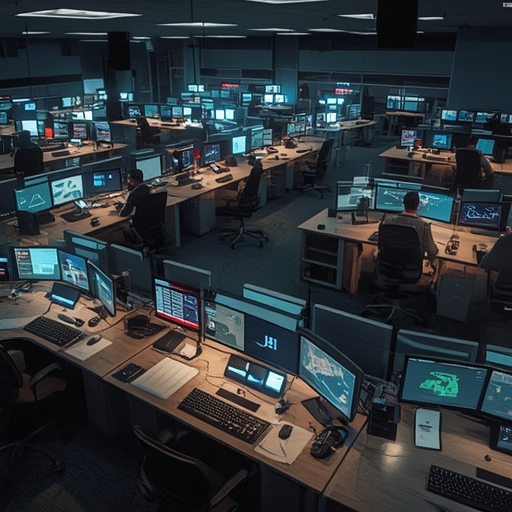
When someone dials 911, what seems like a simple phone call actually activates a highly coordinated chain of human and technological responses designed to safeguard lives. On the other end of that call, trained emergency dispatchers spring into action, managing chaos with calm precision. Yet, most people outside the system have little understanding of how decisions are made, how calls are prioritized, or the immense psychological strain carried by those who work behind the line.
A former emergency dispatcher sheds light on this intricate process. Each incoming call is not automatically treated as an equal emergency; dispatchers rapidly assess the information, categorize the urgency, and coordinate with police, fire, or medical personnel. For example, a life-threatening cardiac arrest will generate a far higher response priority than a fender-bender or noise complaint—though all require attention and documentation. Within seconds, a dispatcher must evaluate incomplete information, comfort frantic callers, and mobilize help, often balancing dozens of concurrent incidents.
Behind the calm, measured voices that the public hears is a workplace under immense pressure. Dispatchers routinely handle situations that are emotionally draining—domestic violence, catastrophic accidents, or fatal overdoses—and they must do so while maintaining unwavering composure. The emotional toll is significant: burnout, compassion fatigue, and stress-related health issues are increasingly common. Many professionals describe their headsets as lifelines that tie them both to the public they serve and to the trauma they cannot escape.
This firsthand perspective underscores how critical proper training, empathy, and mental health support are within emergency communication centers. Dispatchers are unsung heroes—liaisons between chaos and control—whose efficiency directly influences response times and, ultimately, survival rates. At the same time, their effectiveness can be amplified by informed callers. Citizens who provide clear, concise details and remain calm under pressure empower dispatchers to send the right help faster.
Understanding what occurs after a 911 call not only increases appreciation for the professionals who manage emergencies but also reminds us that we share a role in that system. By cooperating, communicating clearly, and recognizing the dispatchers’ humanity, we contribute to a safer, more responsive community. The next time someone calls 911, they are not just speaking into a phone—they are connecting to a network of expertise, empathy, and life-saving coordination operating silently behind the scenes.
Sourse: https://www.businessinsider.com/how-911-calls-actually-work-according-to-a-former-dispatcher-2026-1