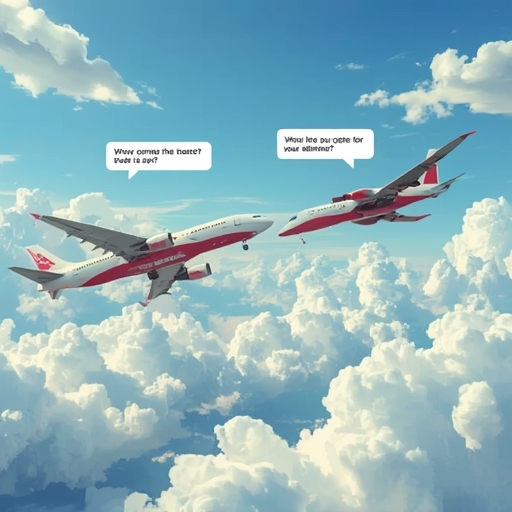
Ryanair has once again demonstrated its remarkable understanding of digital communication and public relations by transforming what began as a lighthearted online exchange into a cleverly orchestrated marketing phenomenon. The airline, well known for its humorous and occasionally provocative social media presence, recently took its ongoing, good-natured rivalry with the leadership of X (formerly Twitter) to new heights—both figuratively and literally—by offering a symbolic ‘free flight’ to X’s headquarters. What may have seemed like a simple, witty post was, in reality, a strategic act of brand amplification that blended comedy, creativity, and commercial intent in one swift move.
This gesture exemplifies how brands in the age of instantaneous communication can capture widespread attention without excessive expenditure. By using humor as currency, Ryanair successfully converted an informal online interaction into a viral talking point, generating waves of engagement, media coverage, and renewed audience interest. The brilliance of the move lies in its duality: it entertained the public while reinforcing the airline’s rebellious, relatable, and irreverent voice—an identity that resonates deeply with younger digital audiences who value brands that act human, self-aware, and unscripted.
From a marketing perspective, this episode reveals the modern dynamics of branding on social media. In contemporary digital environments, visibility is not simply purchased; it is earned through agility, wit, and a willingness to participate in cultural dialogue. Ryanair’s impromptu ‘offer’ functioned as a symbol of that philosophy: fast, funny, and unmistakably authentic. It required no expensive ad campaign, no celebrity endorsements, and no forced messaging—merely the perfect timing and tone to remind the world what playful confidence looks like in brand storytelling.
Such moments also demonstrate the symbiotic relationship between corporate communication and entertainment. As audiences grow increasingly skeptical of traditional advertising, they respond more favorably to brands that appear conversational and spontaneous. By playfully addressing industry headlines and competitive jests, Ryanair turned a minor exchange into a masterclass in strategic levity. The airline proved that even humor, when executed with precision, can lead to tangible business outcomes: greater online interaction, positive brand sentiment, and potentially increased interest in the company’s offerings.
Beyond the laughter, however, there is a serious strategic insight. Authenticity—expressed through humor, transparency, and self-deprecation—has become an indispensable asset for modern enterprises navigating the crowded attention economy. Ryanair’s playful theatrics illustrate how sharp timing and a touch of irony can transform perceived conflict into camaraderie, and fleeting attention into enduring brand equity. What started as corporate banter ultimately soared into a well-calculated lesson in 21st-century marketing: when storytelling and spontaneity align, engagement follows naturally, taking both brand visibility and consumer connection to new and exhilarating heights.
Sourse: https://www.businessinsider.com/ryanair-elon-musk-feud-deliver-airline-ticket-pr-boost-2026-1