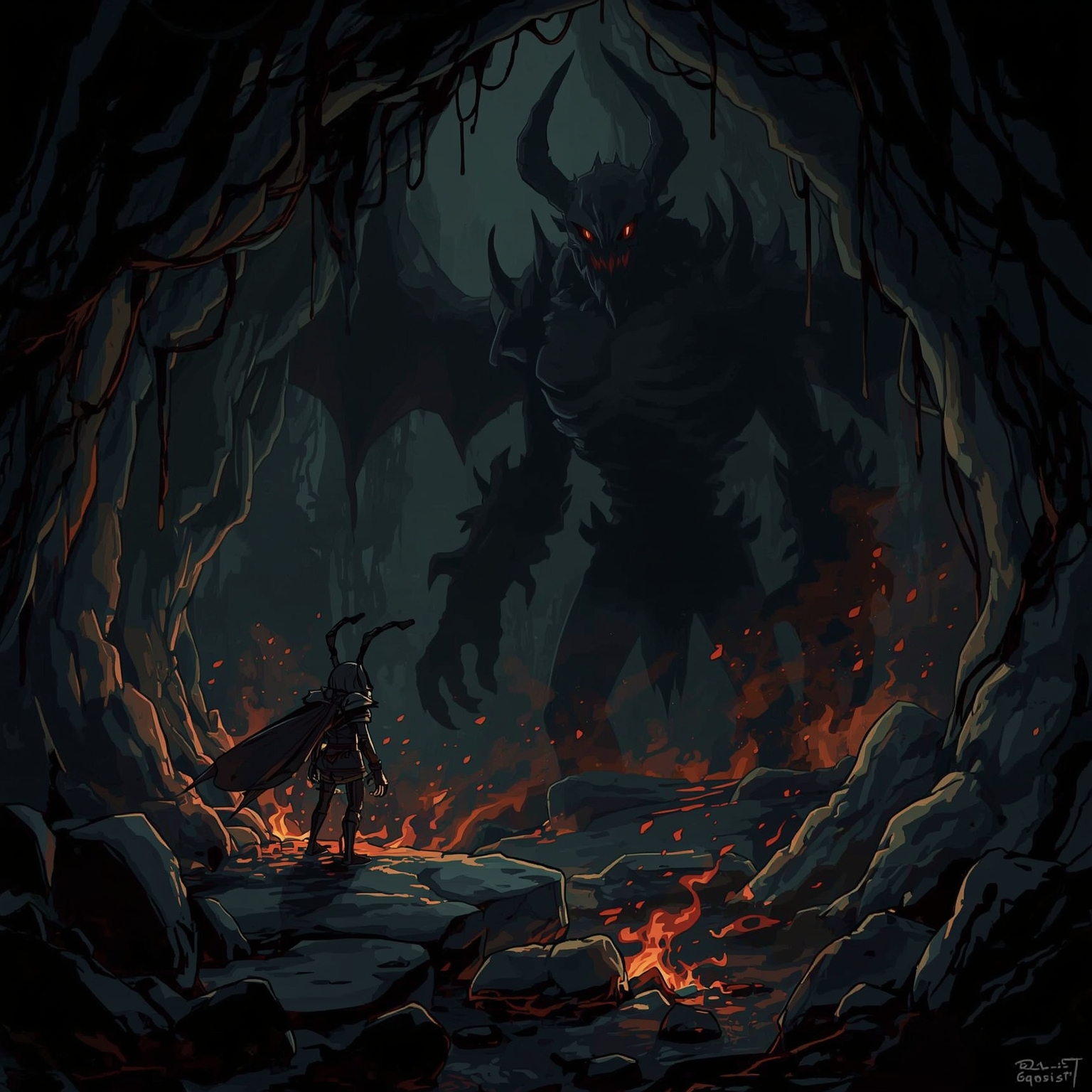
I hesitate to describe my ongoing experience with *Hollow Knight: Silksong* as something traditionally aligned with “fun.” In fact, the word feels almost misleading, because the sensations the game provokes in me are closer to strain, vexation, and tension rather than lighthearted enjoyment. And yet, despite this absence of conventional pleasure, I continue to press forward, compelled to endure whatever arduous path lies ahead.
Take, for example, The Marrow, the game’s second substantial region, which immerses the player in a labyrinthine environment both alluring and exhausting. Buried deep within its twisting passageways lurks a particularly vicious midboss—a foe whose ferocity initially seemed insurmountable. After repeated defeats and a growing sense of exasperation, I did, at last, manage to claim victory. And yet, the spoils of this conquest were not what many games traditionally offer as incentives. There was no new ability gained that might make traversal easier, no rare item to enrich my arsenal, and not even the simple but invaluable reprieve of a bench where I could save my progress and rest my weary fingers. Instead, my “prize” was merely the continuation of suffering: death after death, pain upon pain, and the looming realization that *Silksong* often refuses to soften its edges. Here, survival does not come from skirting around difficulty but by stubbornly plunging through it—and that narrow passage forward is often more like a tunnel of spikes, some of which unpredictably erupt into flames.
By all logic, I should have surrendered in frustration right then. I have abandoned countless other titles that failed to deliver joy, moving on without guilt or hesitation. And yet, *Silksong* clings to me differently, refusing to release its grip even when I beg for respite. Unlike its predecessor, *Hollow Knight*, which failed to draw me in when I first attempted it, this new installment keeps pulling me back in ways I struggle to fully explain. I am no stranger to the Metroidvania genre—in fact, I admire it. Only recently, *Prince of Persia: The Lost Crown* ranked among my most beloved games of the past year. My curiosity about Team Cherry’s work made me give *Silksong* another chance, hoping it would resonate more deeply this time. And, strangely, it has—largely thanks to the blend of camaraderie within its community and, admittedly, my own stubborn streak of spite.
Part of the difference lies in timing. I arrived at *Hollow Knight* years after its cultural moment had passed, when conversations about it had long fled my social media feeds. With *Silksong*, however, I am stumbling through its trials at the same time everyone else is. My timeline overflows with fellow players who adore the game far more intensely than I do. They share strategies, vent frustrations about sections that feel maliciously designed (looking at you, lantern fruit pogo platforming), and gush endlessly about characters like the irresistibly charming Sherma. One running joke—“I have only known Sherma for a day and a half…”—captures just how quickly this quirky character became a fan favorite.
Everything feels communal. When I post about a maddening difficulty spike, whispers of encouragement and firsthand advice flood into my inbox. Friends highlight techniques I have overlooked or reassurance that they, too, suffered through the same gauntlets. This dynamic transforms the solitary act of playing into something closer to a shared livestream, as though we are all running parallel paths in the same marathon. Alone, the game might have defeated me already. But together, in conversation and solidarity, the misery becomes strangely bearable—maybe even invigorating.
This collaborative atmosphere has also taught me one crucial discipline I previously lacked: the value of walking away. I’ve never been the type of player who pauses when confronted by an obstacle. Typically, I either divert to another quest or bash my head against the wall of difficulty until some breakthrough arrives. *Silksong*, however, has reshaped that instinct. Now, when I sense myself edging toward fury—whether after a narrow miss on a boss fight or the crushing realization that I was not nearly as close to success as I imagined—I simply stop. I turn off the console, step away, let the frustration evaporate, and then return later with fresh patience. As cliché as it sounds, those ever-mocking voices telling players to “touch grass” were right all along. Frustration blinds solutions; distance clarifies them. By using this method, I weathered some of the title’s most brutal difficulties, from hostile gauntlets to merciless design quirks. To this day, I am still aggrieved by what I consider uniquely cruel moments, such as when the vendor Shakra abandons her bench—located right before an outrageously brutal combat sequence—turning what should have been a merciful safe point into yet another flavor of torment.
But the truth is that every fresh dose of punishment the game serves heightens the raw ecstasy of eventual survival. The more the game berates me, the more magnificent the surge of triumph feels when I finally prevail. If a daunting boss suddenly crumbles after far fewer attempts than I anticipated, I feel transcendently powerful, almost untouchable—as though I have become something godlike within *Silksong’s* sprawling world. Ironically, I recently learned that Team Cherry intends to weaken some of the earlier bosses, an announcement that bemuses me. Those encounters were already manageable. The parts that drive me to fury—and then, consequently, to sublime elation when I best them—reside not in combat but in grueling platforming segments, particularly those involving unreliable pogo mechanics.
I expect I will see *Silksong* through to its conclusion, though I anticipate the emotion greeting me at the finish line will not resemble conventional joy or euphoria. More likely, it will be a profound and weary relief, a moment of release after an extended trial of endurance. Ultimately, the game has illuminated for me a truth I had not previously acknowledged: enjoyment is not always what keeps us tethered to a game. I do not require consistent happiness or delight to drive me forward. Sometimes, the raw hunger simply to *feel*—whether that sensation comes clothed in triumph, bitterness, spite, or exhaustion—is enough. And for *Silksong*, that strangely volatile cocktail of feelings is exactly what sustains my journey.
Sourse: https://www.theverge.com/games/777653/silksong-impressions-team-cherry-metroidvania-sherma-is-cool