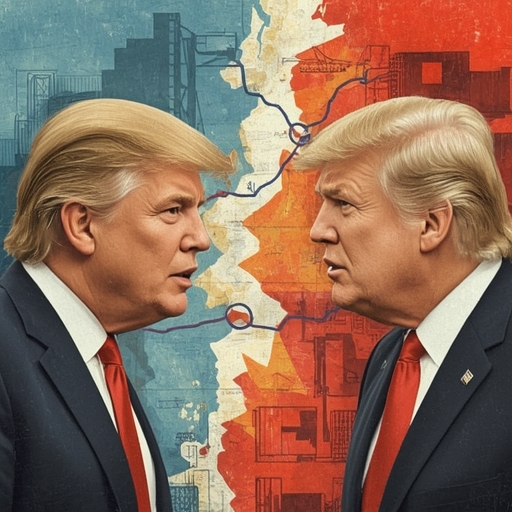
In a rapidly evolving moment of geopolitical and economic uncertainty, tensions between the United States and Canada have reached a new and unsettling peak. The American government has issued a forceful warning in response to Canada’s recent decision to strengthen commercial ties with Beijing, signaling that sweeping 100% tariffs could soon be imposed on a wide range of Canadian goods. This move, while ostensibly aimed at protecting domestic industries, also serves as a strong message about Washington’s stance toward nations deepening relationships with China—an economic power that continues to reshape global influence.
This development is not merely another headline in the ongoing saga of trade disputes; it represents a profound shift in the balance of international cooperation and rivalry. Economists, investors, and policymakers alike are bracing for possible chain reactions throughout the global marketplace. If implemented, such tariffs could disrupt established supply chains, increase costs for businesses reliant on cross-border materials, and challenge diplomatic stability among key allies. Companies engaged in manufacturing, technology, and agriculture may face particular strain, especially given the extensive integration of North American production networks.
From a strategic standpoint, the U.S. threat underscores a broader geopolitical tension between maintaining traditional alliances and countering Beijing’s growing reach through trade diplomacy. Canada’s engagement with China reflects its attempt to diversify export partners and reinforce market resilience, particularly in an era when global economic dependencies are being recalibrated after years of pandemic-related volatility. Yet this diversification effort now places Ottawa at the center of a complex international power struggle.
Observers note that similar tariff confrontations in the past—such as those seen during previous rounds of trade wars—have produced ripple effects that extended far beyond the immediate countries involved. Financial markets may react with volatility as global investors weigh the implications for commodity prices, currencies, and long-term investment portfolios. Meanwhile, policy analysts argue that the incident highlights the urgent need for coordinated, multilateral dialogue to prevent escalating protectionism from undermining collective economic recovery.
As events unfold, leaders and industry professionals across finance, logistics, and trade law will be scrutinizing every statement issued by Washington and Ottawa. Their decisions in the coming months could determine whether this episode becomes a temporary diplomatic dispute or a defining fracture in modern international commerce. Regardless of outcome, one truth remains evident: the delicate fabric of global trade—interwoven through decades of cooperation, competition, and compromise—has rarely felt this taut.
Sourse: https://www.businessinsider.com/canada-tariffs-china-trade-deal-donald-trump-mark-carney-2026-1