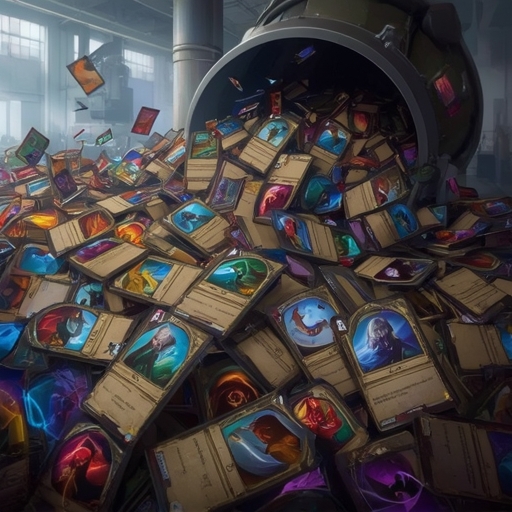
Hasbro, one of the most recognizable names in the global toy and gaming industry, has recently found itself entangled in significant legal controversy. A newly filed lawsuit accuses the company of what has been described as ‘gross mismanagement’ in relation to the production and distribution of its iconic collectible card game, *Magic: The Gathering*. The crux of the allegation lies in claims that Hasbro substantially overproduced cards, allegedly flooding the market to an extent that disrupted collector confidence and destabilized long-term product value.
The legal action has ignited intense debate among players, collectors, and industry analysts alike. At the heart of the discussion is a question of balance—how to satisfy growing consumer demand and shareholder expectations without compromising the exclusivity, scarcity, and prestige that underpin collectible markets. *Magic: The Gathering*, known for its intricate gameplay mechanics, rich lore, and devoted fanbase, has long stood as a pillar of both fantasy gaming and investment-grade collectibles. Yet, according to the lawsuit, what once was a carefully calibrated ecosystem may now be in jeopardy due to what plaintiffs describe as reckless overextension.
From a business-strategy perspective, the case raises probing concerns about Hasbro’s broader operational philosophy. Overprinting—if substantiated—could indicate a short-term profit motive overriding prudent management practices. Industry observers suggest that a flood of new card sets risks devaluing existing collections, thereby eroding the trust of loyal customers who view the cards not merely as entertainment, but also as assets with intrinsic and cultural worth. Collectors, retailers, and competitive players have expressed anxiety that continual printing cycles and expanded product lines could fundamentally alter the game’s economic structure.
Moreover, the implications extend far beyond a single franchise. This case could become a litmus test for how major entertainment corporations handle intellectual property and market saturation in the digital age. Hasbro’s decisions surrounding *Magic: The Gathering* serve as a microcosm of the tension between creative authenticity and commercial scalability—a dynamic increasingly evident across industries where fandoms hold deep emotional and financial stakes.
Despite the backlash, Hasbro continues to emphasize its commitment to quality, community engagement, and brand evolution, asserting that its production models are meant to sustain growth while maintaining accessibility. Still, the lawsuit poses serious reputational and financial risks. Should the court’s findings confirm systemic mismanagement, the consequences could reshape future corporate accountability measures in the gaming sector.
For the millions who have built careers, communities, and collections around *Magic: The Gathering*, the unfolding saga feels deeply personal. As legal proceedings advance, all eyes remain on how Hasbro will navigate this complex intersection of commerce, creativity, and consumer trust—a challenge that may ultimately redefine the boundaries of modern collectible gaming.
Sourse: https://gizmodo.com/hasbro-suit-alleges-overprinted-magic-the-gathering-cards-2000713744