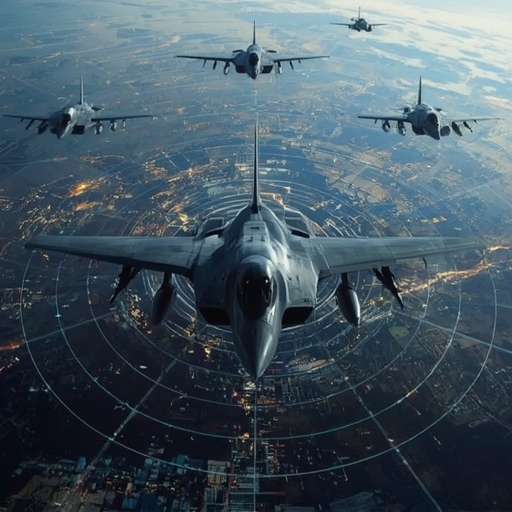
While the recent reports of US successes against Russian and Chinese-manufactured air defense systems might appear to signal a decisive technological superiority, the reality is far more complex and multilayered. These engagements, often carried out under highly specific operational circumstances, illustrate not only the effectiveness of Western intelligence, electronic warfare, and precision tactics but also underscore the fluid nature of military adaptation in modern warfare. It would therefore be a grave error to interpret such outcomes as definitive proof that these air defense systems are fundamentally flawed or strategically obsolete. Instead, they reveal the intricate interplay among intelligence preparation, training discipline, environmental conditions, and technological synchronization that defines contemporary combat effectiveness.
A closer examination reveals that success on the battlefield rarely stems from a single factor. Rather, it emerges from a convergence of planning, human expertise, and real-time coordination among multiple platforms. The proficiency of US and allied forces in integrating aerial assets with cyber and electronic warfare capabilities provides undeniable advantages in certain combat environments. However, these same advantages may not translate seamlessly into other theaters where adversaries can recalibrate their doctrines, modify sensor systems, or alter engagement protocols. Warfare, especially in the domain of advanced air defense, is a continuously shifting contest of learning and adaptation—an arena in which each side’s innovation triggers a corresponding evolution in its rival’s response.
Thus, the true lesson from these victories should not be complacency but humility and vigilance. Military successes, while invaluable as demonstrations of capability, are also fleeting benchmarks that can mask underlying vulnerabilities if misread. Overconfidence born from limited engagements may lead strategists to underestimate the resilience and ingenuity of adversaries who have historically demonstrated an exceptional ability to reengineer their defenses when challenged. History abounds with examples—whether from Cold War confrontations or more recent conflicts—of opponents who, once studied and pressured, swiftly evolved their systems to nullify prior advantages.
Consequently, the United States and its partners must interpret these recent triumphs not as validations of permanent dominance but as opportunities for reflection and recalibration. The enduring takeaway is not merely that technology wins wars, but that strategic foresight, adaptability, and a nuanced appreciation of each adversary’s context remain paramount. In modern defense discourse, mastery lies less in possessing superior tools and more in understanding how and when to employ them within the complex web of global security dynamics. #DefenseStrategy #GlobalSecurity #MilitaryInnovation
Sourse: https://www.businessinsider.com/us-wins-against-russian-chinese-air-defenses-risk-wrong-lessons-2026-1