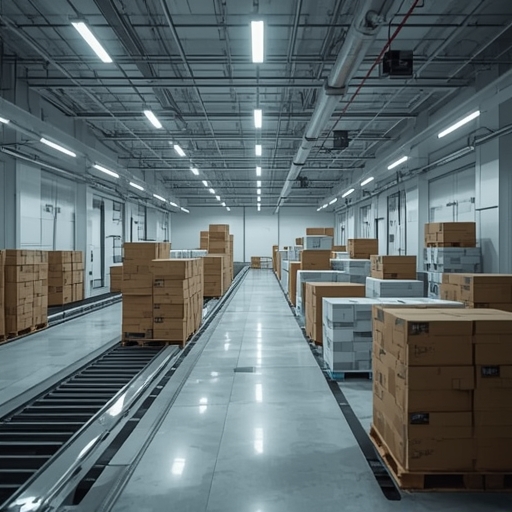
Nike has formally unveiled a decisive transformation strategy that significantly reshapes both its operational framework and its relationship with its workforce. The company is preparing to eliminate 775 positions across its distribution facilities in Tennessee and Mississippi, a step that reflects a larger corporate shift toward advanced automation technologies and the streamlining of its logistical structure. While to some this decision may appear as a measure of strategic efficiency, it also underscores the profound social and economic ripple effects of technology’s encroachment into traditional labor domains.
This announcement reveals how even globally admired brands must continually adapt to the pressures of digitalization and global competition. By integrating sophisticated robotic systems, algorithmic inventory management, and highly automated distribution channels, Nike seeks to increase responsiveness, reduce long‑term operational costs, and maintain its market leadership in a rapidly evolving retail environment. However, this pursuit of efficiency comes intertwined with difficult human realities. For the hundreds of individuals whose roles are being replaced by machines or consolidated into fewer locations, the technological progress that fuels corporate innovation simultaneously represents a deeply personal setback.
Such a duality—where advancement coincides with displacement—illustrates one of the defining tensions of the twenty‑first‑century economy. Automation promises unprecedented precision, speed, and scalability, yet it also compels organizations and communities alike to confront fundamental questions concerning employee well‑being, skill development, and economic inclusion. Companies must determine how to implement these systems responsibly, ensuring that innovation does not eclipse empathy. Policymakers and business leaders alike face the growing imperative to design sustainable transitions that prepare workers for roles aligned with emerging technologies.
Nike’s restructuring therefore functions as both a strategic maneuver and a symbolic marker. It illuminates the relentless pace at which industries are evolving, propelled by artificial intelligence, robotics, and data‑driven logistics. At the same time, it calls attention to the indispensable value of the human element—the creativity, adaptability, and emotional intelligence that no automated process can fully replicate. As the company continues to modernize its infrastructure, this balancing act between technological ambition and humane leadership may well determine not only its operational success but also its legacy in an era defined by constant transformation.
Sourse: https://www.businessinsider.com/nike-to-cut-775-distribution-center-jobs-accelerates-automation-2026-1