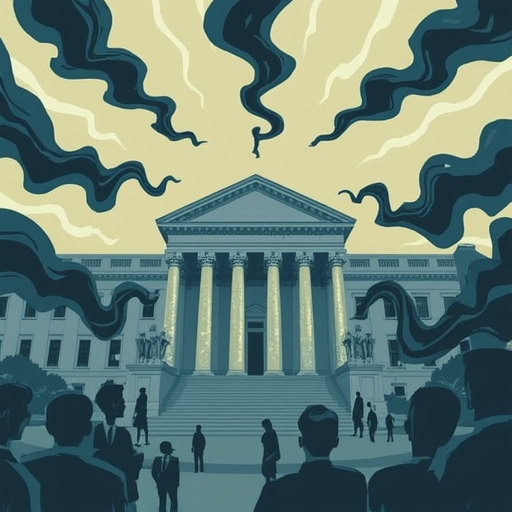
As the Federal Reserve convenes for its significant January meeting, global markets and policymakers alike are closely monitoring the outcome, recognizing the immense influence that even subtle shifts in its stance can have on the broader economic landscape. Current consensus among analysts and leading economists suggests that the central bank will maintain its existing interest rate levels, a move intended to signal continuity and caution in a period marked by delicate economic balancing acts. However, beneath this anticipated steadiness lies a complex web of evolving pressures that extend beyond traditional monetary considerations.
Political scrutiny has grown increasingly intense, with both lawmakers and public advocates calling for greater transparency, accountability, and responsiveness from the institution’s leadership. Legal challenges surrounding policy decisions and regulatory oversight have further heightened the tension, underscoring how the Federal Reserve operates not just as an economic engine but also as a vital symbol of governance and trust. Against this backdrop, Chair and board members are expected to navigate carefully between maintaining credibility in the financial markets and addressing public concerns about fairness, policy impact, and long-term stability.
The debate does not hinge solely on immediate rate adjustments but rather on the broader question of how the Fed will manage its dual mandate—ensuring maximum employment while keeping inflation in check—amid competing expectations. While many investors seek affirmation that inflationary pressures will continue to subside without triggering a slowdown in growth, others emphasize the risk of political interference undermining the institution’s independence. Previous meetings have illustrated that the central bank’s decisions resonate far beyond Wall Street, influencing everything from household borrowing costs to government debt dynamics.
If rates indeed remain unchanged, this could serve as both reassurance and a subtle warning: reassurance that the central bank remains committed to predictable, data-driven decision-making, yet also a reminder that external pressures may gradually shape its future course. Observers note that steady policy today may pave the way for a more decisive recalibration later in the year, particularly if employment metrics or inflation expectations shift unexpectedly.
Ultimately, the January meeting represents more than a technical adjustment to monetary policy—it stands as a defining moment of perception management, institutional resilience, and leadership under scrutiny. The outcome will signal not only how the Federal Reserve interprets the current economic pulse but also how it positions itself amid an increasingly skeptical and watchful political climate. Whether 2024 unfolds as a year of cautious continuity or strategic transformation may depend on the tone set within these deliberations, where the balance between steadfastness and adaptability will once again test the very core of central banking philosophy.
Sourse: https://www.businessinsider.com/fed-meeting-what-to-expect-interest-rates-jerome-powell-2026-1