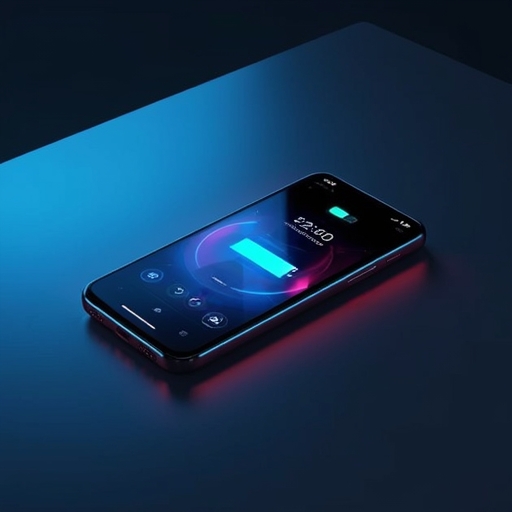
Motorola’s 2026 Moto G Power represents the company’s most refined effort yet in its long-running series of budget-friendly smartphones. Offered at a modest $300, this device skillfully balances affordability with performance, making it an appealing choice for value-conscious users who nevertheless expect solid everyday functionality. It stands out primarily for its extraordinary battery endurance and its impressively sharp Full HD+ display, both of which contribute to an experience that feels far more premium than its price tag might suggest. Nonetheless, the Moto G Power 2026 only slightly diverges from its 2025 predecessor, presenting incremental yet meaningful changes rather than a complete reinvention.
Over recent weeks of continuous testing, I’ve had the chance to immerse myself in the full capabilities of the new Moto G Power—the concluding member of Motorola’s 2026 smartphone lineup, at least for now. During CES 2026, the brand caught attention with the debut of the Razr Fold, its first foray into foldable design. While future innovations surely lie ahead, the current collection feels symbolically complete with the G Power closing the chapter. Among its contemporaries, this device easily delivers the smoothest and most enjoyable user experience, convincing me that Motorola indeed reserved its best for last. For consumers choosing between the recent Moto G releases, this model emerges as the most recommendable option.
My overarching critique of the 2026 generation remains tied to its familiarity: much of Motorola’s newest lineup feels like a direct echo of 2025’s. The visual and functional similarities are hard to ignore. Yet, despite the conservative design philosophy, the Moto G Power 2026 distinguishes itself through a selection of upgrades that genuinely affect usability in daily life, lending the phone a renewed sense of identity.
The most significant improvements center on two aspects that users care deeply about—battery life and camera quality. The phone now contains a 5,200mAh power cell, a subtle but noteworthy increase over last year’s 5,000mAh unit. The added capacity pays dividends: in endurance testing that involved streaming a 720p YouTube livestream continuously, the device sustained operation for approximately twenty hours before finally shutting down. Those seeking maximum longevity can toggle the built-in Maximum Battery Saver mode, which significantly limits background processes and deactivates all but essential applications—namely Phone, Messages, Settings, and the Google Play Store. As confirmed by Motorola representatives, these core tools remain accessible even in that restricted state, rendering the mode ideal for emergencies or extended travel periods when charging options are scarce. In practice, enabling this feature can stretch runtime beyond forty hours, as confirmed during my evaluation.
From a photographic standpoint, Motorola made notable refinements. The front-facing camera now employs a 32-megapixel lens, an upgrade that meaningfully increases sharpness and ensures greater fidelity in color representation. As with the rest of the 2026 family, color calibration across the camera system has been carefully tuned to avoid the oversaturation that previously marred images. The result is a more natural tonality that mirrors real-world visuals, as demonstrated in test photographs—including a charming still life of plush penguins that highlights the camera’s ability to capture subtle color gradations and soft textures with clarity.
The device’s Night Vision mode constitutes another highlight of its imaging capabilities. When the integrated light sensor recognizes dim environments, the software invites users to switch on Night Vision, which enhances low-light photography by gathering additional light across multiple exposures. Maintaining a steady grip remains important for optimal results, but the inclusion of Optical Image Stabilization effectively reduces blur from minor hand tremors. According to Motorola, the Night Vision system captures several frames and automatically selects moments containing minimal motion, combining them to create one sharp, luminous photo. For instance, a photograph of a distant house light taken under challenging night conditions demonstrated impressively clear details across surrounding objects.
In terms of design, the Moto G Power 2026 adheres closely to its established aesthetic, though subtle tweaks refine its appearance. Available in new color options, the handset maintains a substantial yet manageable form factor: a 6.8-inch display housed within a frame weighing slightly more than 200 grams. Its build leans toward durability, headlined by the use of Corning’s Gorilla Glass 7i, a protective material engineered to resist scratches and endure drops from heights of roughly three feet onto asphalt surfaces. Furthermore, the device carries an IP69 rating, signifying a higher level of resilience to dust and brief water immersion compared to previous generations.
In tactile terms, Motorola continues its tradition of using vegan leather on the rear panel; however, the texture feels noticeably different this time. Rather than the softer, fabric-like finish featured on earlier models, this iteration delivers a surface reminiscent of genuine leather—slightly coarse, yet elegant to the touch. Personally, I find this design evolution more satisfying and sophisticated, offering a firmer grip and a sense of durable craftsmanship.
Turning attention back to the display, it boasts a Full HD+ resolution of 2388 by 1080 pixels. This screen easily ranks as the finest among the 2026 Moto G family. Its bright, vivid rendering ensures that photographs and streamed media appear vibrant, sharp, and true to life. On earlier models, the limited screen quality frequently undermined the impressive capabilities of their cameras by failing to reproduce captured images faithfully. Thankfully, that shortcoming has been fully addressed in the G Power—viewing photos or videos on this phone is now an experience equal to what the camera can produce.
Beneath the surface, the device is powered by MediaTek’s Dimensity 6300 chipset. Although this midrange processor is widely used across Motorola’s portfolio and therefore not a fresh introduction, it remains a dependable choice for general consumers. It performs seamlessly in everyday scenarios such as web browsing, communication, and casual photography. However, it still reveals limitations under intense workloads, including heavy multitasking or advanced mobile gaming. Within its intended scope, though, the chipset’s stability pairs well with the Full HD+ panel to make the user experience consistently smooth.
From a purchasing perspective, the 2026 Moto G Power is readily available through Motorola’s official channels for the reasonable price of $300. Buyers can select from two color finishes: Evening Blue, offering a deep, classic tone, or Pure Cashmere, a sleek, pearlescent white that evokes a refined aesthetic. In past comparisons, I often suggested that consumers opt for the 2025 editions to maximize value, particularly given their similarity to the newer releases. Yet, in this case, the advancements in battery capacity, refined design texture, and enhanced imaging performance justify choosing the latest version. These thoughtful improvements collectively elevate the Moto G Power 2026 into a refined, reliable, and genuinely modern option within the competitive budget smartphone category.
Sourse: https://www.zdnet.com/article/motorola-moto-g-power-review/