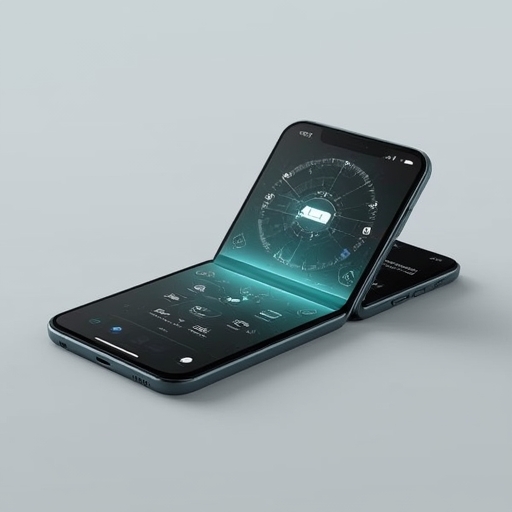
The ideal foldable phone, the one capable of transforming how we live, create, and work, remains an idea confined to the realm of aspiration. Despite the rapid evolution of mobile technology, no device has yet achieved the perfect synthesis of capability, portability, and design. But envision, for a moment, a piece of technology so refined and versatile that it could genuinely replace your laptop—a compact marvel folded neatly into your pocket, ready to unfold into a high-performance digital studio whenever inspiration strikes.
Such a device would embody the convergence of power and creativity. Picture a foldable phone that opens into a spacious, seamlessly integrated screen capable of handling your most sophisticated workflows: editing high-resolution videos, designing immersive graphics, managing complex spreadsheets, or even constructing entire presentations—without the frustrating compromises that current mobile devices often impose. Its lightweight frame would ensure effortless mobility, allowing you to shift from a brainstorming session at a café to a cross-continental flight without sacrificing access to your complete digital ecosystem.
In this vision, portability does not equate to limitation but rather to liberation. Gone would be the days of juggling multiple devices or battling with restrictive touch interfaces. With an advanced stylus, adaptive keyboard configurations, and an intelligent multitasking system powered by robust AI, this foldable phone would redefine what productivity means on the go. Imagine writing articles mid-flight, designing marketing layouts from a park bench, or composing music during a commute—all from a single, elegantly folding device that feels more like a creative companion than a gadget.
Yet, this imagined perfection reveals what is missing from our current technological landscape. Today’s foldables flirt with innovation but rarely deliver on the promise of true professional-grade utility. Battery life, fragility, limited processing capacity, and constrained app optimization continue to restrict their potential. The dream, however, persists—fueled by our growing desire for tools that offer not just convenience but genuine empowerment.
The future of mobile computing will not be defined merely by incremental improvements. It will emerge from a fundamental rethinking of how we interact with technology—how devices can adapt fluidly to our lives rather than forcing us to adjust around their limits. When the foldable phone finally reaches that threshold, when it seamlessly merges artistry with efficiency and style with strength, it will do more than change how we use our devices. It will transform how we work, imagine, and create. The foldable I’m waiting for still doesn’t exist—but when it arrives, it will unfold an entirely new era of freedom and possibility.
Sourse: https://www.theverge.com/tech/869084/folding-phone-google-pixel-10-pro-samsung-galaxy-z-fold-7