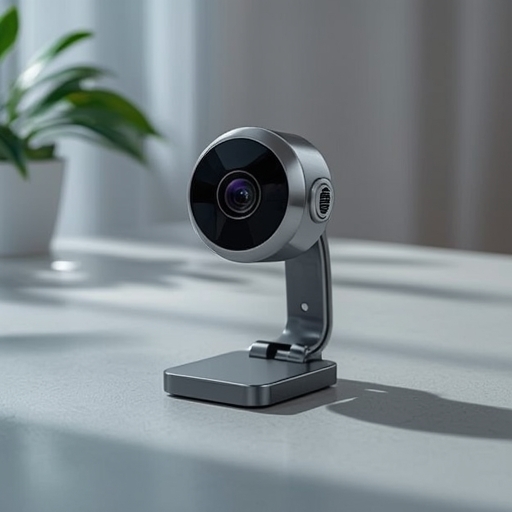
Obsbot’s latest creation, the Tiny 3 gimbal webcam, enters the tech market with an ambitious $349 price tag, making confident promises of performance and sophistication within a remarkably compact form. At first glance, the device embodies the intersection of minimalistic design and advanced engineering — a camera that literally follows its user thanks to mechanized gimbal movement and intelligent tracking software. Yet, despite this impressive integration of technology, the overarching question remains: does innovation genuinely justify such a premium cost, or does this miniature marvel overestimate its own worth?
When compared to its sibling model, the more affordable Tiny 3 Lite priced at $199, the distinction lies mainly in the depth of features and aesthetic refinement. The Tiny 3 aspires to deliver professional-level imaging, advertising 4K ultra-high-definition resolution, swift subject tracking, and whisper‑quiet motorization that enhances user presence in both personal and professional digital spaces. For content creators, remote workers, and livestreamers, these specifications promise an almost cinematic webcam experience. The gimbal system allows seamless panning and tilting, ensuring that presenters stay perfectly framed even in dynamic settings — something that traditional static webcams rarely achieve.
However, what begins as admiration quickly pivots toward skepticism when value enters the discussion. Critics have noted that while the Tiny 3 unquestionably demonstrates engineering prowess, the tangible benefits beyond conventional high‑quality webcams may not sufficiently support its premium pricing. At nearly double the cost of midrange alternatives, buyers must decide whether automated motion tracking and sensor quality enhancements outweigh the impressive performance already available from competitors at lower price points. In practical scenarios such as virtual meetings or casual streaming, these premium functions risk becoming luxurious rather than essential.
Aesthetically, the Tiny 3 succeeds in every regard: its sleek metallic construction, understated LED indicators, and sophisticated mounting design evoke a futuristic sensibility. The camera seems conceived for a modern workspace where form harmonizes with function. The engineering finesse guarantees stability on various surfaces, while its intuitive plug‑and‑play setup minimizes the traditional learning curve associated with professional equipment. Nonetheless, elegance and ergonomics alone cannot obscure the lingering perception that the product’s ambition might exceed its market logic.
Ultimately, Obsbot’s Tiny 3 represents both a celebration of innovation and a cautionary example of how technological excellence can drift into overestimation. It is undeniably one of the most intelligent and feature‑rich webcams currently available, designed for users who value exquisite precision and aesthetic refinement. Yet, for many potential buyers, the question persists: does the experience it provides truly transcend that of its more reasonably priced counterparts? In essence, the Tiny 3 proves that sometimes the smartest gadgets are those that understand where innovation should meet affordability — a balance this sleek device has not yet perfectly mastered.
Sourse: https://www.theverge.com/tech/867950/obsbot-tiny-3-lite-hands-on-impressions