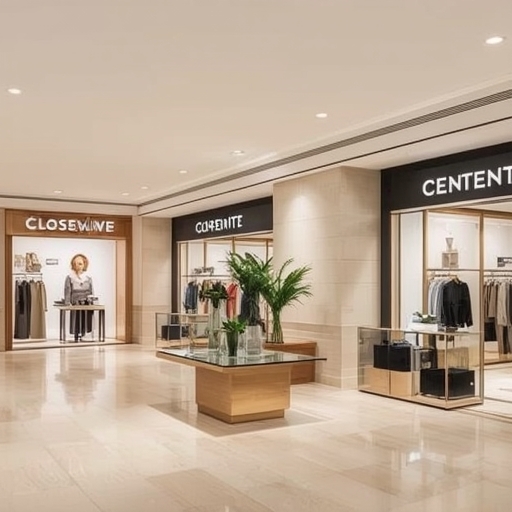
Saks Global, a long-standing icon in the world of luxury fashion and retail, is entering one of the most pivotal moments in its modern history. As the company navigates bankruptcy proceedings, it has unveiled a sweeping restructuring plan that will see the closure of numerous Off 5th and Last Call outlets—stores traditionally associated with its discount and clearance lines. This bold decision, though undoubtedly difficult, underscores a deliberate effort to recalibrate the brand’s identity and reassert its presence at the pinnacle of the luxury market.
In essence, Saks Global’s new direction represents not just a financial reorganization, but a philosophical one. By shedding a considerable portion of its lower-margin, mass-oriented operations, the company is making a calculated wager on exclusivity, brand prestige, and long-term loyalty among high-end consumers. The luxury sector thrives on perception—elegance, scarcity, and distinction—and this pivot signals Saks Global’s intention to align fully with that ethos once more.
Such a move, however, invites inevitable debate. On one hand, focusing resources on fewer, flagship-level experiences could help refine the brand narrative, allowing Saks Global to enhance service, invest in digital transformation, and curate more aspirational product assortments. Customers seeking refined shopping environments and bespoke attention may find renewed appeal in this streamlined vision. On the other hand, exiting the broader value segment through the closure of Off 5th and Last Call stores might risk alienating a portion of the clientele who relied on those more accessible price points as their entryway into the brand’s world.
From a business strategy standpoint, this restructuring reflects the mounting pressure traditional retailers face when balancing accessibility with exclusivity in an increasingly competitive luxury marketplace. Digital-first competitors, evolving consumer expectations, and the rapid blurring of price-tier boundaries have challenged legacy models. For Saks Global, returning to its luxury DNA could attract discerning shoppers who value craftsmanship, curation, and service over sheer volume—but execution will be paramount. The consolidation must be matched by innovation, particularly through enhanced personalization, omni-channel integration, and experiential retail concepts that can redefine what modern luxury feels like in a post-crisis economy.
Industry observers note that Saks Global’s pivot arrives at a time when the entire luxury sector is reexamining its foundations. Even established maisons are tightening brand footprints, prioritizing curated flagships and immersive customer journeys rather than broad geographical sprawl. In this context, Saks Global’s retrenchment appears less like a retreat and more like a focused realignment—an attempt to shed excess weight in order to move with greater agility and purpose.
Ultimately, the coming months will determine whether this strategic transformation delivers on its promise. If successful, it could restore Saks Global’s reputation as a cornerstone of refined retail and a case study in reestablishing luxury relevance amid financial adversity. Whether seen as courageous reinvention or necessary correction, the company’s decisive action speaks to a wider narrative in today’s retail landscape: that in order to thrive, even historic brands must periodically strip away the familiar and rebuild around excellence, experience, and enduring value.
Sourse: https://www.businessinsider.com/saks-stores-closing-off-5th-last-call-outlet-full-list-2026-1