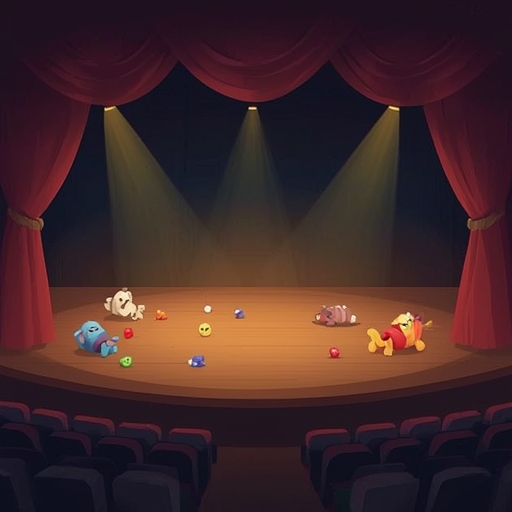
In Minneapolis, the sudden cancellation of a children’s theater performance has come to symbolize something far greater than a simple programming change — it mirrors the heavy emotional weight communities carry when safety feels uncertain. What should have been a joyful weekend of creativity and imagination became an unsettling reminder of how deeply societal fear and tragedy can infiltrate spaces dedicated to innocence and wonder. The connection between public safety, family well-being, and community trust becomes painfully evident in moments like these.
When federal enforcement actions occur near community gathering places, the effects often transcend the immediate event. Parents find themselves hurriedly explaining complex, frightening realities to their children, struggling to balance truth and reassurance. Educators and caregivers feel the silent pressure of helping young minds process emotions they cannot fully articulate. Even neighbors and local leaders feel the echo — an anxious tension that lingers in playgrounds, schools, and theaters where laughter once flowed freely.
The cancellation of a play, seemingly a small decision, reveals how deeply interwoven our social systems are. A community’s sense of safety is not upheld solely by physical protection but by emotional assurance — by the ability of families to trust that shared spaces are sanctuaries rather than potential sites of distress. When that trust falters, collective healing becomes essential.
As residents, leaders, and parents, the question arises: how do we preserve our children’s sense of wonder while also confronting the difficult truths of our society? True accountability requires not only examining federal or institutional actions but also reflecting on how we support one another in their aftermath. Conversations about community safety should not end with law enforcement decisions; they must expand into empathy-driven dialogues about trauma care, accessible mental health support, and the rebuilding of communal trust.
In these fragile moments, resilience emerges not through denial of fear but through collective compassion. When neighbors reach out, when schools hold space for emotional understanding, when parents and leaders choose transparency over silence — healing becomes possible. The simple vision of a future performance, where children can once again laugh without hesitation, becomes a quiet yet powerful goal worth striving toward.
The canceled play in Minneapolis has become more than a headline; it stands as a tender yet urgent reminder that safeguarding childhood requires more than guarding walls — it requires nurturing hearts, rebuilding confidence, and reaffirming our shared responsibility to create neighborhoods where every child can play, dream, and feel secure in both body and spirit.
Sourse: https://www.theverge.com/policy/870720/ice-minneapolis-parenting-liam-conejo-ramos