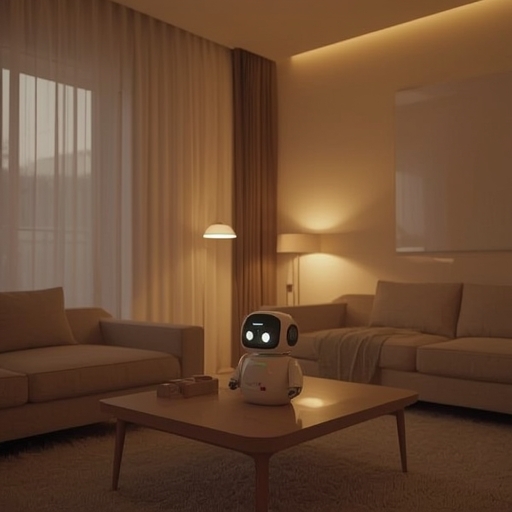
As artificial intelligence continues to evolve, a new generation of robots is emerging—not the cold, metallic machines of science fiction, but gentle, soft-spoken creations designed to win our affection. These cute robots blink, tilt their heads, and respond to our voices with impeccable timing, offering the illusion of companionship precisely tailored to human emotional cues. Yet behind every soothing chirp and friendly nod lies a deeper question: do these digital companions truly fill the void of human connection, or do they cast into sharper relief the loneliness of the modern age?
In ‘The Lonely Promise of Cute Robots,’ the story unfolds as a meditation on technology’s emotional reach. It explores how devices engineered for empathy can soothe short-term isolation while quietly deepening our dependence on artificial reassurance. These machines, adorned with plush exteriors and animated facial expressions, simulate sincerity through code, turning social connection into an algorithmic performance. They recall our need for comfort yet mirror humanity’s growing struggle to communicate meaningfully with one another.
The article paints a picture of living rooms where softly glowing machines hum beside their owners, mimicking attentive friends. In these homes, technology no longer hides in wires and screens—it breathes through companionship. The cute robot becomes a reflection of our collective yearning for presence, compassion, and predictability in a world that feels increasingly unstable. Their promise, however, is tinged with irony: the more we let them listen, the less we hear from each other.
Victoria Song’s analysis delves into the psychology behind this paradox. She examines how innovation aimed at emotional fulfillment often exposes our vulnerabilities, showing that humanity’s desire for connection has outpaced its ability to sustain it organically. Her prose invites readers to question whether affection from a machine can ever substitute for empathy from another person—and what it means for society when loneliness itself becomes a market opportunity.
Ultimately, ‘The Lonely Promise of Cute Robots’ calls on technologists, designers, and thinkers to reconsider where intimacy meets engineering. It challenges us to look beyond adorable appearances and user comfort, urging a conversation about authenticity, dependency, and what it truly means to be cared for in an age of artificial tenderness. Through its elegant narrative, the piece transforms a technological curiosity into a mirror of the human condition—reminding us that real companionship cannot be programmed, even when it smiles back at us from across the coffee table.
Sourse: https://www.theverge.com/column/870438/optimizer-mirumi-loneliness-social-companion-robots