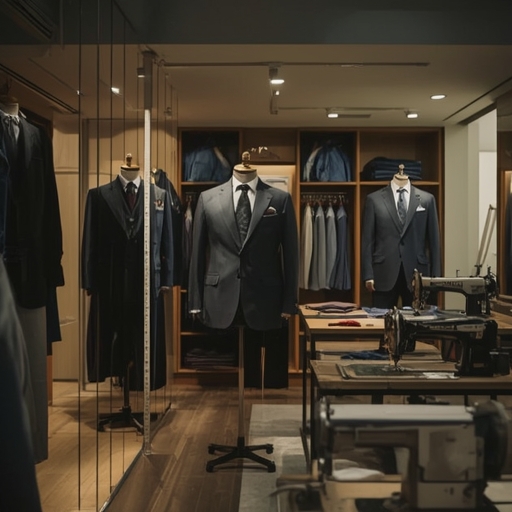
Across the polished corridors of Wall Street, a striking transformation is unfolding—one that goes far beyond quarterly reports or stock tickers. Tailors who cater to the city’s financial elite are observing an unprecedented surge in clients seeking to have their entire wardrobes refitted. This phenomenon, widely referred to as the “Ozempic effect,” has extended its influence from healthcare into the very fabric of New York’s fashion and business culture.
As professionals experience rapid physical changes following their use of the popular medication, the ripple effects are becoming impossible to miss. Bespoke tailoring shops, once known primarily for crafting new suits to reflect status and precision, are now focused on reengineering existing garments to suit newly altered physiques. Master tailors describe a wave of clients bringing back dozens of previously custom-fitted suits—luxurious pieces made from fine Italian wool or English tweed—now hanging too loosely on recently slimmed frames.
The implications of this shift go beyond mere aesthetics. In a world where personal presentation often mirrors professional confidence, a well-fitted suit has long symbolized success, discipline, and control. The need for widespread alterations reflects not just body transformation but also the changing social and psychological landscape of corporate identity. Alteration specialists note that many customers arrive uncertain whether to resize or entirely rebuild their wardrobes, torn between a celebration of change and a sense of nostalgia for their former silhouettes.
At the same time, these physical transformations are prompting broader discussions about wellness and image within competitive professional circles. The ‘Ozempic effect’—named after the medication originally intended to manage diabetes before it became synonymous with weight loss—has effectively blurred the boundaries between medical innovation, self-improvement, and luxury consumption. It is no longer just a wellness story; it is a fashion and cultural one as well.
Tailoring ateliers have adapted swiftly. Shops that once specialized in intricate hand-stitching now balance traditional craftsmanship with the science of re-proportioning garments. Each resized suit, they observe, tells a story—of renewed confidence, changing priorities, and the perpetual drive on Wall Street to refine not only one’s portfolio but one’s personal presentation. The result is a modern-day convergence of health, wealth, and high fashion, reshaping not just wardrobes but also the meaning of what it looks like to succeed in the world’s most competitive financial arena.
Sourse: https://www.businessinsider.com/nyc-tailors-ozempic-weight-loss-wall-street-wardrobes-2026-1