Disney’s magic—long revered as a symbol of imagination, nostalgia, and timeless escapism—has increasingly transformed into a premium commodity that carries a higher price tag than ever before. Over the years, the costs associated with visiting Disney’s theme parks have escalated significantly, outpacing the general rate of inflation. This steady climb in pricing underscores how vital these immersive experiences have become to the company’s broader economic strategy. In essence, Disney is not merely selling tickets or souvenirs; it is monetizing the emotional value of joy, wonder, and shared memories that countless visitors associate with its brand.
From the perspective of corporate economics, this phenomenon represents a carefully calculated approach to maximizing demand for what might be deemed ‘luxury escapism.’ Theme parks, once viewed simply as family-friendly destinations, now serve as key revenue pillars buttressing Disney’s empire. Each price adjustment—whether in admission fees, exclusive resort packages, or behind-the-scenes experiences—reflects a deliberate alignment with both market behavior and consumer psychology. The company understands that, for millions around the world, the allure of Disney’s magic is so strong that it transcends affordability; visitors continue to justify rising expenses as the cost of participating in an irreplaceable cultural ritual.
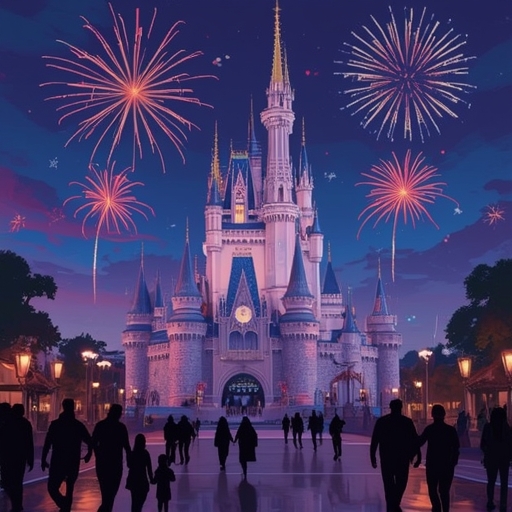
This enduring willingness of guests to pay more reveals the powerful intersection of emotion and economics. To many, a day at Disneyland or Walt Disney World is not a mere recreational outing—it is an aspirational experience symbolizing achievement, togetherness, and childlike wonder reclaimed in adulthood. Even as ticket prices steadily increase, attendance remains robust, confirming Disney’s extraordinary ability to convert nostalgia and storytelling into tangible economic value.
Yet, this evolution raises an intriguing question for consumers and observers alike: how much enchantment is truly worth paying for? At what point does the pursuit of magic begin to feel transactional rather than transformative? As Disney continues refining its blend of fantasy and finance, the answer may lie in the delicate balance between value perception and emotional immersion. Ultimately, the growing cost of Disney’s magic is not simply a reflection of inflation—it is evidence of the enduring demand for experiences that promise, if only for a fleeting moment, to make reality itself feel extraordinary.
Sourse: https://www.businessinsider.com/why-disney-is-more-expensive-than-ever-2026-1