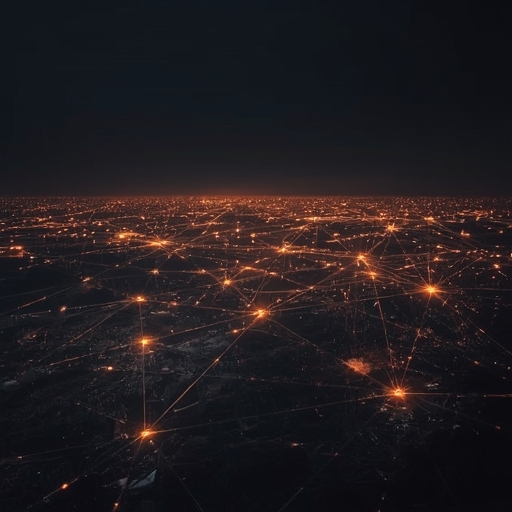
In an age where digital communication has become the heartbeat of global expression, the moment that connection is abruptly severed sends tremors far beyond national borders. Iran’s longest internet blackout, which followed widespread protests earlier this year, served as a haunting reminder of how easily a government can obscure truth by cutting its people off from the digital world. For days that stretched into weeks, citizens found themselves digitally isolated. Social media feeds stalled, online news outlets fell silent, and encrypted messages that once carried stories of courage and struggle vanished into an enforced void.
Yet even within this technological darkness, the human voice refused to be extinguished. The regime’s strategy aimed to dampen outrage, to suppress the sparks of activism that had inspired spontaneous demonstrations across cities and small towns alike. Instead, the blackout only deepened the resolve of those calling for justice. People devised creative — often perilous — methods to communicate, from localized networks to whispered word-of-mouth, ensuring that the movement’s heartbeat continued to echo against censorship’s walls. The attempt to silence became, paradoxically, a global amplifier. International observers, journalists, and organizations took note, broadcasting the reality that silence itself had become a message of defiance.
This prolonged disconnection illuminated a sobering truth: access to the internet is not merely a technical convenience but a fundamental enabler of free expression, civic participation, and human dignity. When a population is severed from its digital lifelines, it is cut away from the world’s empathy and understanding — an exile of both information and identity. The loss was not just local; it rippled outward, symbolizing how fragile freedom of speech and digital rights remain when they rely on infrastructure that can be so easily weaponized.
At the same time, the world’s witnessing of this event sparked renewed discussion about digital resilience and accountability. The blackout underscored the urgent need for decentralized technologies, stronger international advocacy for open networks, and commitments by global companies to protect users’ rights when governments demand the opposite. It showcased how connectivity, in its purest form, is both a tool of empowerment and a measure of a society’s openness.
Ultimately, Iran’s blackout stands not only as a record of technological censorship but as a testament to endurance — proof that even when cables are cut and screens go dark, the courage to speak cannot be erased. The people’s determination to share their truth, despite the imposed silence, transformed this crisis into a call for universal vigilance: that we, as a global community, must listen more closely when the world’s voices are forced into quiet, and act collectively to preserve the fragile light of freedom that the internet represents.
Sourse: https://www.theverge.com/policy/871848/iran-blackout-internet-mahsa-alimardani