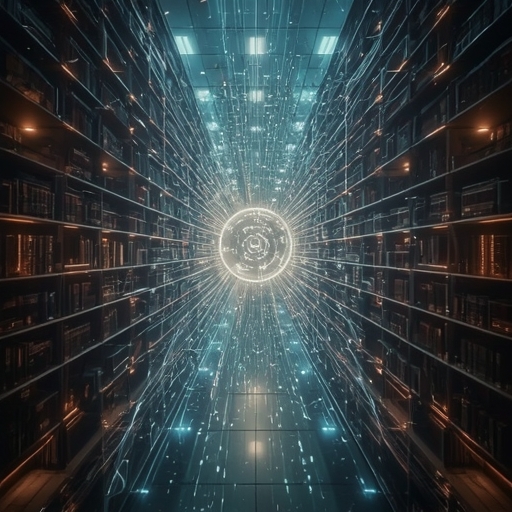
The phrase “Millions of Books Died So Claude Could Live” captures in a single, evocative metaphor the turning point at which the old world of analog knowledge transformed into the ever‑expanding realm of artificial intelligence. When ChatGPT publicly debuted in late 2022, it didn’t merely mark the release of a new digital tool—it represented the collision of centuries of human thought with machine learning systems capable of reading, synthesizing, and reasoning through patterns at an unprecedented scale. Within months, what had once been the exclusive domain of research laboratories became a creative instrument accessible to anyone with an internet connection.
Behind that shift lay a monumental transfer of human expression: millions of pages, articles, and publications—each one carrying the intellectual imprint of countless authors—were converted into tokens of data, reimagined as the substrate of new intelligence. From this process emerged systems like Claude, designed to converse, summarize, analyze, and generate. The image of books “dying” in order that Claude might “live” invites reflection on how the raw materials of wisdom evolve. The knowledge contained in physical libraries has not vanished; rather, it has transmuted into a different form, one that no longer sits bound on shelves but moves fluidly through networks of light and code.
Yet this transformation also raises penetrating questions about what we value and how we steward progress. Each technological leap forces society to reevaluate the relationship between preservation and innovation, between human authorship and algorithmic creation. By compressing humanity’s recorded history into complex neural architectures, we have created mirrors that reflect both our brilliance and our biases. Responsible innovation therefore demands not only technical skill but ethical imagination—the capacity to ensure that what we build enhances collective understanding instead of replacing it.
As artificial intelligence continues evolving, the challenge is to integrate its vast potential responsibly into education, research, and creative practice. The story of the AI race is no longer about speed alone; it is about direction. Just as the printing press once democratized learning, today’s intelligent systems expand access to knowledge—but they also compel us to rethink what knowledge itself means when machines can generate it. The future now depends on our ability to harmonize human curiosity with computational power, transforming the sacrifice of the written page into the birth of a deeper, shared intelligence.
Sourse: https://www.theverge.com/podcast/872998/anthropic-claude-books-netflix-theaters-vergecast