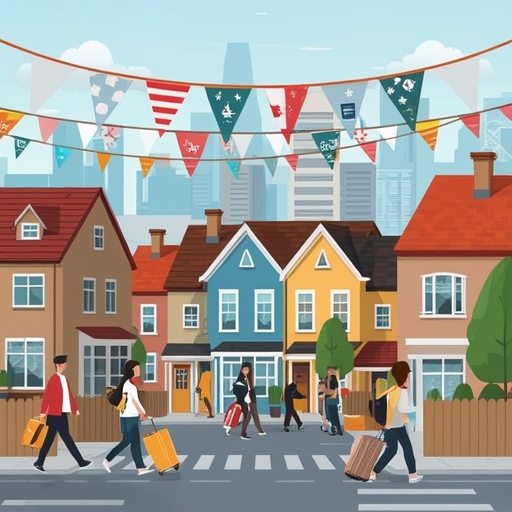
As the World Cup approaches, an extraordinary wave of global excitement is rippling beyond the boundaries of the stadiums and into the very heart of local housing markets. In major tournament cities, Airbnb hosts—both seasoned entrepreneurs and first-time participants—are recognizing an unparalleled opportunity to transform their residences into highly lucrative ventures. What was once a simple home or apartment has, almost overnight, become a potential source of significant short-term profit, as demand from international fans surges to remarkable levels.
The economic dynamics behind this phenomenon are striking. Millions of passionate supporters, media professionals, and event personnel are converging upon host locations, searching not merely for accommodation but for an authentic experience—an immersion in the atmosphere that only local neighborhoods can provide. Consequently, short-term rental platforms like Airbnb have evolved into pivotal players in this evolving landscape, connecting temporary hosts with transient guests seeking comfort blended with proximity to the energy of the games.
Yet this surge of opportunity does not guarantee uniform success. Competition among hosts is reaching unprecedented intensity, with thousands simultaneously attempting to attract attention through strategic pricing, eye-catching listings, and personalized amenities. Some will undoubtedly capitalize on the moment, reaping impressive returns that rival annual rental incomes. Others, however, may find their efforts tempered by market saturation, fluctuating interest, or last-minute booking trends shaped by game outcomes and fan mobility.
Beyond profit margins, the World Cup is reshaping communities and revealing a nuanced balance between hospitality and urban livability. While cities bask in renewed global attention, a parallel conversation has emerged concerning rising rents, housing availability, and the impact of short-term lets on residents. Thus, even in its spirit of celebration and connection, the event sparks reflection on economic sustainability and ethical hosting practices.
In essence, this World Cup season epitomizes both the brilliance and the volatility of the modern sharing economy. For many hosts, it is more than just a business opportunity—it is a moment to participate actively in a historic international event from the comfort of their own city. Whether their gamble yields victory or a narrow miss will depend upon timing, strategy, and adaptability in an environment where global enthusiasm meets local enterprise.
Sourse: https://www.businessinsider.com/airbnb-near-world-cup-stadium-real-estate-rental-hottest-investment-2026-2