In the dynamic and electrifying atmosphere of 2004, the late evenings often blurred into early mornings as devoted teams of young coders, designers, and innovators immersed themselves in their craft. Those tireless coding marathons were accompanied not by silence, but by the resonant echoes of distorted guitars, pounding drums, and emotionally charged lyrics that mirrored the intensity of their creative pursuit. Each keystroke was synchronized with the music’s rhythm, creating a synergy between sound and invention that defined an era of raw technological creation.
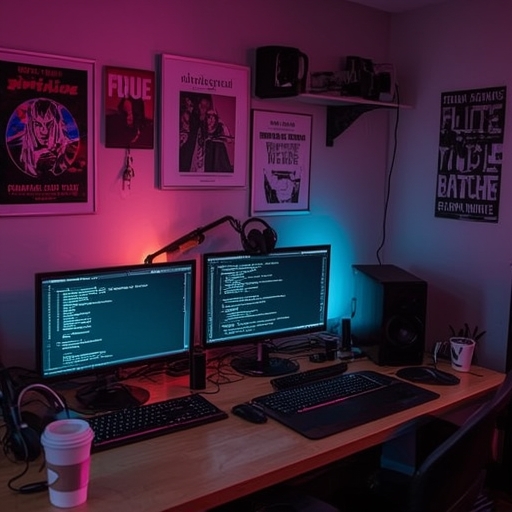
What energized countless developers in those formative days was not merely caffeine or ambition, but a culture defined by passion — an unrelenting belief that technology could reshape the world. Within dimly lit rooms illuminated by the glow of CRT monitors, hands flew across keyboards as the sound of alternative and rock anthems set a pace that matched the heartbeat of innovation itself. The heavy riffs and emotional crescendos seemed to translate into code, giving birth to products and platforms that would soon alter the global landscape.
For many, that period was more than a professional chapter; it was a movement, almost a rebellion against complacency. The creative impulse that drove young founders and engineers stemmed from a perfect balance of artistry and logic. Music, with its emotional volatility and expressive power, became both muse and motivator — a reminder that behind every digital breakthrough existed a profoundly human story of emotion, effort, and endurance.
The early 2000s tech scene was characterized by a blend of substance and spontaneity. Creativity thrived not in sterile offices but in cluttered, vibrant spaces — coffee-stained desks adorned with headphone cables, stacks of CDs, and hastily scribbled notebooks filled with ideas. Each project felt like a song being written in real time: experimental, occasionally chaotic, yet undeniably inspired. That emotional authenticity infused the technology with a distinctly human touch, reminding creators that innovation was as much about empathy and imagination as it was about precision and performance.
Looking back, one realizes that every legendary startup, every transformative idea, began with this primal energy — the combination of artistic expression and analytical brilliance. The emotive power of music didn’t just accompany progress; it propelled it. The fusion of sound and software fostered an ecosystem where engineers were also dreamers, and dreamers became architects of the digital age. The relentless rhythm of guitars in the background was not a distraction; it was the pulse of invention.
Even today, the spirit of those nights endures in the corridors of modern startups and tech labs around the world. The culture of innovation that once blossomed in bedroom workstations and dorm-room experiments now reverberates through global networks of creators. Yet the essence remains: the loud soundtrack, the emotional intensity, the unwavering pursuit of creation against all odds. Every enduring piece of code carries within it the echoes of those formative frequencies — passionate, imperfect, and profoundly human.
Thus, the story of early technological advancement is inseparable from the soundtrack that accompanied it. It is a testament to how creativity, in all its forms, fuels progress. The rhythm of those guitars and the hum of processors together scored the first movements of modern digital evolution, turning sound into code and dreams into enduring realities.
Sourse: https://www.businessinsider.com/mark-zuckerberg-2004-coding-jams-playlist-loud-emo-on-brand-2026-2