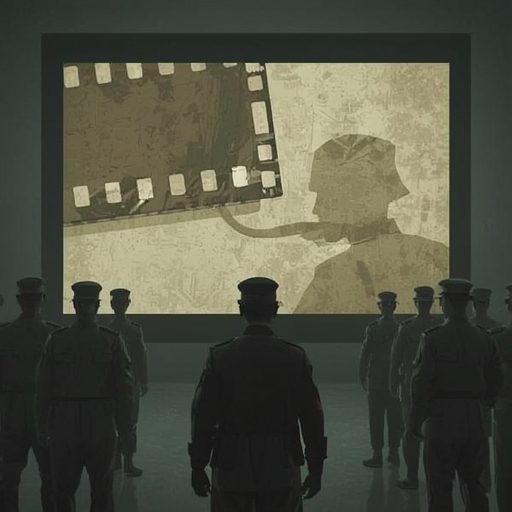
Recent investigative accounts have brought to light complex and ethically charged concerns regarding the atmosphere of influence that can exist within military organizations. According to these reports, certain service members in the United States military allegedly felt an implicit or explicit pressure to participate in a screening of a new documentary centered on a highly visible political or public figure. Although no formal directive mandating attendance appears to have been issued, the perception among some personnel was that leadership’s encouragement bordered on coercion—a subtle yet meaningful distinction that carries serious implications for individual autonomy within hierarchical institutions.
This situation has reinvigorated public discussion about the delicate balance between leadership initiatives, morale‑building activities, and the inviolable right to personal freedom. In a structured environment such as the military—where respect for authority and adherence to orders are fundamental to cohesion—the boundary between voluntary participation and felt obligation can easily become blurred. The fact that the subject matter of the film touches upon ideology and belief only deepens the ethical complexity, raising the question of whether any form of persuasive guidance from superiors risks infringing upon freedom of thought or conscience.
Observers have noted that the military routinely organizes events designed to foster unity, cultural understanding, or moral reflection. Yet even well‑intentioned actions can transmit a conflicting message if subordinates interpret an invitation as a veiled expectation. While senior officers might view such events as opportunities to promote education or shared values, the individuals under their command may struggle to distinguish between genuine choice and perceived duty. Hence, what one party regards as a benign recommendation might be experienced by another as subtle compulsion.
The broader conversation now centers on how military leadership can cultivate enlightenment and respect for diversity without infringing upon the individual’s inherent right to decide what to endorse, watch, or believe. Critics of the alleged pressure emphasize that freedom of choice forms the moral backbone of any democratic institution, including the armed forces charged with defending that very freedom. Supporters of organized viewings counter that exposure to ideas and media, when approached judiciously, can strengthen awareness and critical thinking among troops.
Ultimately, the controversy highlights an enduring tension within systems built on command hierarchy: the necessity of maintaining order and discipline while also safeguarding personal liberty and ethical boundaries. It invites policymakers, officers, and civilians alike to revisit protocols surrounding participation in politically or religiously affiliated events. True ethical leadership, as this debate demonstrates, is not merely about authority or persuasion but about fostering an environment where informed consent and respect for individual conscience remain paramount—even when the chain of command looms large.
Sourse: https://www.businessinsider.com/us-military-members-pressured-to-see-melania-documentary-mrff-2026-2