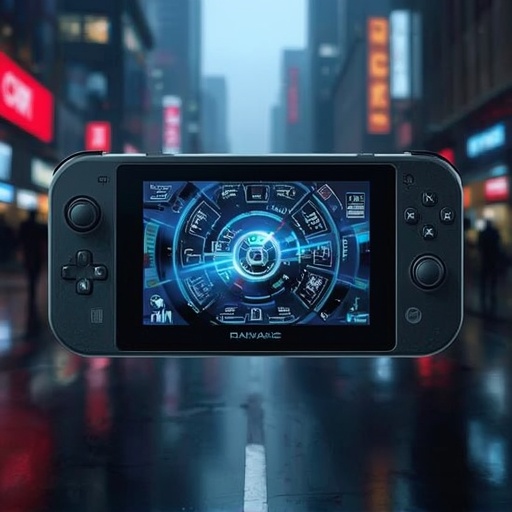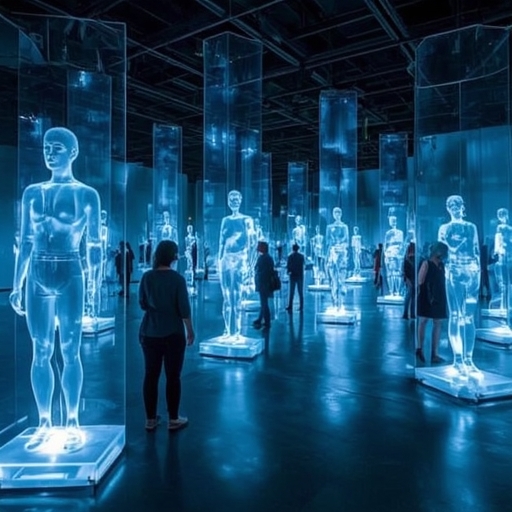
Augmented reality has opened a revolutionary chapter in the story of human creativity, one in which imagination itself becomes both the canvas and the brush. Through AR, traditional artistic expression evolves beyond static forms of paint, sculpture, or performance, entering a dynamic domain where the viewer does not merely observe but actively participates. In these immersive digital worlds, art comes alive—colors, sounds, and movements coalesce into interactive stories that extend the senses and emotions of those who engage with them.
This intersection between artistic vision and technological innovation challenges the very definition of what we consider art. With augmented reality, the artist no longer works solely with tangible materials but with data, light, and spatial interaction. The creative process becomes a dialogue between code and concept, between sensory experience and storytelling. Imagine standing before a once-silent painting that now reacts to your presence, responding with shifting forms and whispered narratives that unfold as you move closer or gaze longer. Such transformative encounters blur the borders between reality and invention, crafting experiences that merge emotional resonance with digital artistry.
The collaboration between artists and technologists has become the driving force behind this cultural transformation. Engineers develop the tools that allow visionaries to translate ideas into virtual environments, while designers and storytellers weave meaning into algorithmic frameworks. Together they produce not only visual spectacle but new modes of human connection. Augmented reality installations invite participation, curiosity, and reflection—encouraging audiences to walk through dreamlike simulations where every gesture and movement alters the unfolding narrative. These pieces do not simply imitate life; they simulate possibility.
Through this technological framework, creativity expands beyond the constraints of the physical world. No longer limited by canvas, sculpture, or screen, artists can now manifest stories on the very fabric of space itself—turning streets, galleries, and everyday surroundings into evolving theatres of meaning. In these alternate dimensions, viewers do not watch art; they inhabit it. The emotional dialogue that once existed between creator and observer becomes a shared performance of discovery, shaped by light, technology, and the limitless reach of imagination.
Augmented reality, therefore, stands as more than a tool or novelty—it represents an entirely new dimension of expression, one that redefines how we perceive art, narrative, and ourselves within it. Where once creativity existed only in the artist’s hands, it now extends into the air we move through, merging reality with the boundless terrain of digital invention. It is not simply the future of art but a profound reawakening of its oldest promise: to make us see, feel, and experience the world in ways we never believed possible.
Sourse: https://www.theverge.com/gadgets/875869/an-ark-mixed-reality-simon-stephens-sarah-frankcom-todd-eckert