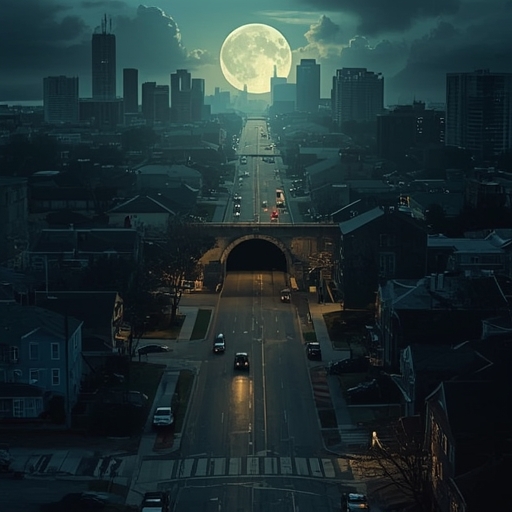
In Minneapolis, a complex and uneasy coexistence defines the rhythm of everyday life. On the surface, the city may appear calm, with neighbors greeting one another, children going to school, and local businesses opening their doors under the pale light of morning. Yet beneath this façade of normalcy lies a pervasive atmosphere of apprehension — a silent tension that threads through the streets and alleyways, whispering of fear and resilience in equal measure.
Behind closed doors, countless individuals and families live in the shadows, deeply aware that a single knock, a siren in the distance, or footsteps that pause too long outside might mean an encounter with immigration enforcement. The threat of ICE raids does not simply manifest as governmental policy; it seeps into the most intimate aspects of life — dictating where people shop, which routes they take to work, or whether they dare to attend community gatherings. This hidden anxiety has transformed many neighborhoods into quiet zones of caution, where survival depends on secrecy and solidarity.
At the same time, Minneapolis embodies a remarkable paradox: while some streets remain tranquil, with everyday routines carrying on as though untouched, only a few blocks away the reality shifts dramatically. There, the echoes of protest, grief, and persistence resonate — reminders of those who refuse to be silenced by oppression or fear. The city, in this sense, stands as both a sanctuary and a battleground, a place where ordinary lives unfold amid extraordinary pressures.
The contrast between visible calm and subterranean distress underscores a deep social fracture. For many, this divide reveals the illusion of peace that often cloaks systemic injustice. Communities endure emotional strain, their members oscillating between hope and dread, courage and fatigue. Yet it is precisely in this landscape of vulnerability that resilience takes root. Mutual aid networks, faith groups, and advocacy organizations rise quietly but powerfully to defend human dignity — offering shelter, legal guidance, and moral support to those forced into hiding.
Ultimately, Minneapolis today mirrors larger truths about the state of human rights across the country. It is a microcosm of a nation wrestling with its conscience — a society where the promise of safety and equality remains unevenly distributed, determined too often by papers, borders, and circumstance. To acknowledge this reality is not merely an act of observation but of moral responsibility. True justice requires more than sympathy; it demands awareness, vocal resistance, and a collective commitment to transform fear into action. In recognizing the hidden struggles of our neighbors, we affirm their humanity and, perhaps, rediscover our own.
Sourse: https://www.theverge.com/policy/877106/minneapolis-ice-cbp-occupation-immigration-raid-mutual-aid