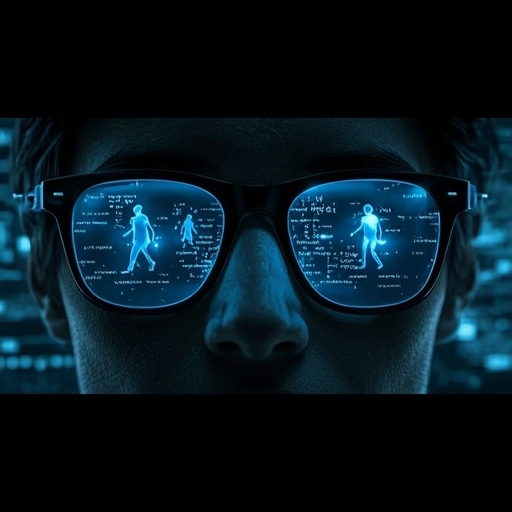
Meta’s collaboration with Ray-Ban has taken another bold step toward blending style, innovation, and cutting-edge technology. Their upcoming generation of smart glasses reportedly integrates facial recognition capabilities, effectively transforming ordinary eyewear into a powerful data-gathering device capable of distinguishing and identifying individuals in real-world environments. According to information leaked from within the company, internal communications reveal a startling assumption: that most users are so deeply absorbed in the convenience and novelty of such devices that few will question or even notice the implications for personal privacy.
This assumption underscores a critical dilemma at the heart of our modern digital society—our increasing willingness to exchange privacy for comfort and technological ease. The appeal is understandable: smart glasses promise seamless integration between the digital and physical worlds, offering instant connectivity, hands-free recording, navigation assistance, and social media integration. Yet beneath the surface of their sleek design lies a profound ethical concern. When a device has the potential not only to capture images but also to recognize faces, it crosses from passive observation into active surveillance. The line between harmless functionality and invasive monitoring becomes disturbingly blurred.
The internal documents uncovered imply that Meta anticipates minimal resistance from consumers—a belief rooted in the behavioral realities of the attention economy. In an era dominated by constant notifications, algorithmic feeds, and wearable trends, technological awareness tends to fade behind aesthetic and experiential appeal. People often focus on how effortlessly a product enhances their lifestyle, seldom dwelling on the invisible infrastructures of data storage, algorithmic processing, and identity mapping that operate beneath that polished user experience.
The debate, however, extends far beyond a single company or product. It is emblematic of a broader tension between innovation and digital ethics. Can technological progress truly be considered progress if it erodes personal boundaries and autonomy? For instance, imagine walking into a café where multiple patrons wear glasses capable of identifying strangers in real time. Without explicit consent, individuals become data points in a live network. What begins as a promise of convenience shifts subtly into a constant performance of visibility—one where privacy transforms from a right into a negotiable feature.
Supporters might argue that such features, if regulated responsibly, could revolutionize accessibility, security, and personalization. Facial recognition could theoretically help users recall acquaintances, assist people with memory conditions, or enable enhanced situational awareness. Critics, on the other hand, warn that normalization of continuous facial tracking could desensitize the public to surveillance culture, paving the way for increasingly intrusive applications that extend beyond commerce into governance and control.
Thus, the leaked memo’s subtext serves as a mirror reflecting our collective complicity in this trade-off. Each purchase made for convenience’s sake reinforces corporate confidence that ethical discomfort will eventually subside under the weight of consumer enthusiasm. Yet thoughtful dialogue remains vital. As the lines between device and observer, user and subject, continue to collapse, society must decide whether innovation should precede moral consideration—or whether the quest for progress demands stronger ethical guardrails.
Ultimately, Meta’s prospective smart glasses do more than represent the next step in wearable technology; they prompt an urgent conversation about awareness and responsibility in the digital age. The question is not merely technological but philosophical: Are we too captivated by what these lenses allow us to see to notice what they make visible about ourselves?
Sourse: https://www.businessinsider.com/meta-ray-ban-smart-glasses-facial-recognition-distracted-2026-2