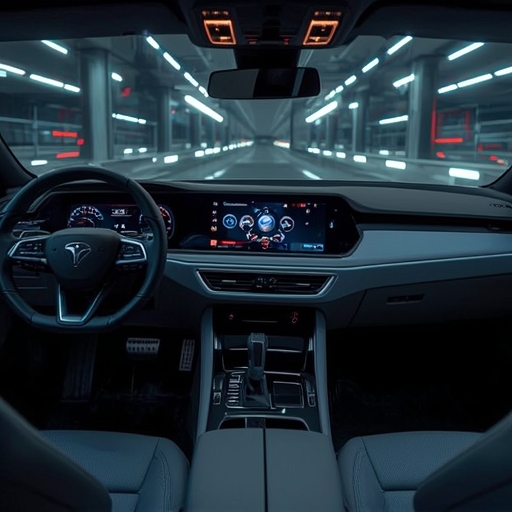
In recent years, the interior design of electric vehicles has undergone a dramatic transformation, largely driven by the dominance of sleek touchscreen interfaces that once symbolized the height of automotive innovation. Inspired by the minimalist aesthetic pioneered by Tesla, many automakers embraced this digital-first philosophy, removing most traditional controls in favor of clean dashboards anchored by expansive screens. However, as the practical realities of real-world driving set in, a growing number of consumers and safety experts have begun to question whether the complete abandonment of physical buttons truly serves the driver’s best interests.
The tactile sensation of pressing a physical button or turning a knob provides immediate feedback that touchscreens, by their very nature, cannot replicate. When navigating busy streets or high-speed highways, being able to locate a button through muscle memory—without diverting one’s eyes from the road—can make a significant difference in safety and comfort. Touch interfaces, though visually elegant, often require multiple taps or menu navigation to perform simple tasks such as adjusting climate settings or changing a song, inadvertently leading to driver distraction. Consequently, manufacturers are now reintroducing select physical controls into their EV designs, blending intuitive touchscreens with well-placed, tactile elements that enhance usability and engagement.
This shift reflects more than a mere design adjustment—it signals a broader return to user-centered thinking in automotive innovation. Many engineers and designers are recognizing that true technological advancement is not about eliminating every analog component, but rather about creating a seamless integration of the physical and digital worlds. For example, a temperature dial paired with a digital display can deliver both the instant gratification of manual control and the precision of electronic calibration. Similarly, steering wheel buttons and haptic-touch sliders are being refined to provide better feedback while maintaining a futuristic aesthetic.
The resurgence of physical controls also underscores a psychological element: drivers often form emotional connections with their vehicles through sensory experience—the click of a switch, the smooth glide of a dial, or the tangible confirmation of a command executed. By reintegrating such human-centered interactions, automakers not only improve safety but also restore an element of delight to the driving experience. As EV technology continues to evolve, it is becoming increasingly clear that the future of car interiors lies not in choosing between the digital and the physical, but in mastering the harmony between them. The era of touchscreen-only dashboards is giving way to an age where design sophistication is defined by intuitive, multimodal interaction—proving that sometimes progress means knowing when to bring the buttons back.
Sourse: https://www.businessinsider.com/evs-touchscreen-buttons-coming-back-tesla-2026-2