Over the course of a hundred years, the tradition of the official portrait has transformed from a ceremonial art form rooted in classical painting to a sophisticated medium shaped by technological innovation and cultural change. What once involved the slow layering of oils on canvas, executed by artists who sought to immortalize the stature and gravity of their subjects, has gradually become an exploration of character, context, and contemporary aesthetics. Today, high-resolution photography, digital artistry, and even multimedia installations continue this timeless dialogue between image and identity, offering a deeper understanding of leadership through the lens of art.
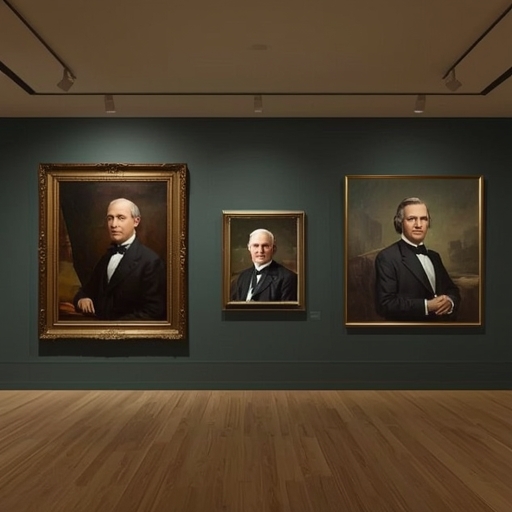
In the early decades of the twentieth century, official portraits were deeply influenced by academic conventions — compositions imbued with grandeur, symbolism, and patriotic motifs meant to convey moral authority and permanence. Presidents, monarchs, and dignitaries were portrayed in stately rooms, framed by classical columns, rich draperies, and emblems of power. The goal was not realism but reverence: the brush was guided as much by ideology as by likeness. As society modernized, however, artists began to question these traditions, seeking instead to reveal the human dimension behind positions of authority.
By mid-century, photography began challenging painters’ dominance. Black-and-white images, with their sharp contrasts and documentary immediacy, stripped away layers of idealization. Leaders were no longer depicted as untouchable icons but as participants in a rapidly evolving social and political world. The camera’s capacity to capture authenticity reshaped expectations about what an official image should declare — not eternal grandeur but contemporary relevance. Even when photography adopted the dramatic lighting and composition once reserved for painters, the underlying message had shifted: truth and accessibility now spoke louder than ornamentation.
In the digital age, portraiture embraces multiplicity. Photographic precision merges seamlessly with the interpretive freedom of digital manipulation, allowing artists to balance realism with concept. The result is a nuanced narrative that portrays not just an individual but also the collective imagination that surrounds leadership. A modern presidential photograph may juxtapose sleek minimalism with symbolic subtlety, echoing the language of branding and media culture while retaining echoes of its painted predecessors. These choices — in color, framing, and expression — are aesthetic decisions steeped in political meaning, suggesting that how leaders choose to be seen reveals how they wish to be remembered.
Across time, the official portrait remains more than an object of display; it serves as a cultural mirror reflecting what each generation values in authority, style, and identity. The evolution from brushstroke to pixel demonstrates not a loss of artistic soul but a continual reinvention of how power presents itself to the public eye. Through the interplay of tradition and technology, portraiture continues to capture not only the visages of leaders but also the shifting essence of leadership itself — dignity reimagined through the artistry of every era.
Sourse: https://www.businessinsider.com/us-presidents-official-portraits-through-history