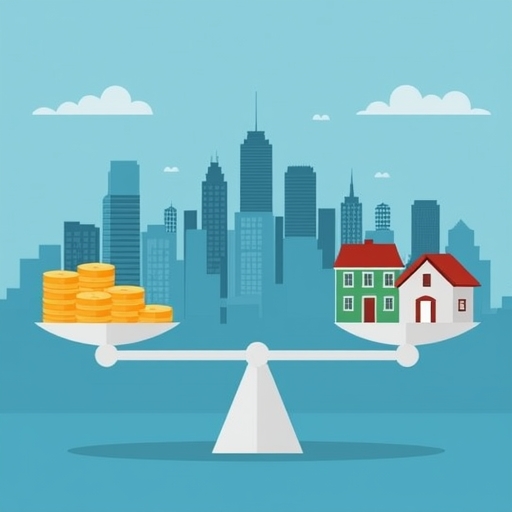
New York City stands at one of the most consequential fiscal junctures in its modern history—a moment that demands a deliberate and equitable reassessment of how the burdens of taxation are distributed among its residents. Policymakers and civic leaders alike are grappling with a defining question: should the city’s wealthiest individuals and corporate entities shoulder a greater share of the financial responsibility, or will the cost of sustaining essential public services continue to fall disproportionately upon the city’s already pressured middle class?
This is not merely a technical matter of budgetary arithmetic; rather, it is an ethical debate about fairness, civic duty, and the principles that underpin social cohesion in a metropolis built on diversity and opportunity. Proponents of progressive taxation argue that those who have most benefited from New York’s economic growth—its corporate elite, real estate magnates, and ultra-wealthy residents—are uniquely positioned to contribute more significantly without compromising their prosperity. By contrast, opponents fear that such measures could discourage investment, drive out high earners, and weaken the city’s competitive appeal on the global stage.
Yet, the alternative involves raising property taxes or fees that directly affect middle-income families—teachers, nurses, small business owners, and others who form the backbone of the local economy. For this demographic, each incremental increase in taxation can translate into real sacrifices: higher rents, constrained savings, or diminished opportunities for their children. Thus, the debate over tax policy touches every facet of city life, from housing affordability and educational equity to long-term economic sustainability.
What makes this crossroads particularly urgent is its symbolic as well as its practical dimension. How the city chooses to navigate this moment will send a message not only about its fiscal philosophy but also about its values—whether New York continues to strive toward an inclusive economy grounded in shared prosperity or drifts toward a model in which inequality is accepted as an unavoidable byproduct of success.
Ultimately, the discourse surrounding taxation in New York City encapsulates a broader moral question faced by urban centers worldwide: what does it mean to build a just, resilient, and forward-looking community? The answer will depend on the courage and vision of its leaders, the engagement of its citizens, and the collective willingness to define fairness not as an abstract ideal but as a measurable reality reflected in public policy. 💼🏙️
Sourse: https://www.businessinsider.com/mamdani-nyc-budget-property-tax-hike-tax-the-rich-2026-2