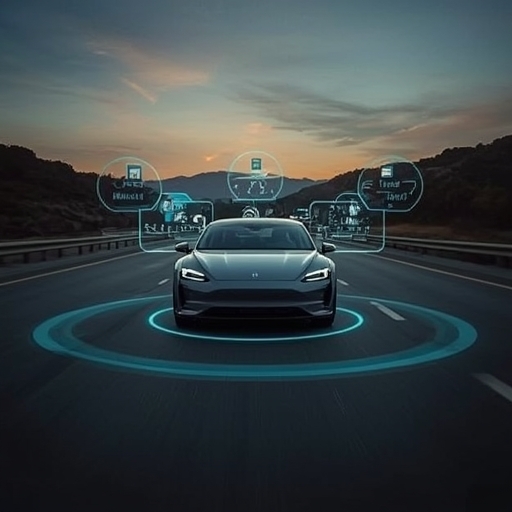
Tesla has successfully averted what could have been a substantial 30-day operational suspension in California, a consequence that seemed inevitable after its decision to deactivate the company’s foundational Autopilot system. This strategic maneuver represents far more than a mere regulatory compliance outcome; it reflects a transformative juncture for Tesla as it reinterprets and reconstructs the parameters of modern driver-assistance technology within one of the world’s most scrutinized automotive markets.
By discontinuing the basic Autopilot functionality, Tesla signals a deliberate pivot toward a more advanced, integrated vision of vehicular autonomy. This choice underscores the firm’s willingness to evolve beyond legacy frameworks that once defined its early innovations in semi-autonomous mobility. The decision also alleviates immediate regulatory pressure from California’s transportation authorities, which had been closely monitoring the system’s performance, reliability, and marketing claims. Through careful negotiation and swift adaptation, Tesla has managed to retain operational continuity while avoiding reputational and financial damage that might have accompanied a statewide suspension.
From a broader technological and strategic perspective, this moment encapsulates Tesla’s ongoing tension between innovation and oversight. The company stands at the intersection of regulatory expectation and breakthrough progress, compelled to balance visionary design with practical compliance. Rather than perceiving the withdrawal of the basic Autopilot as a retreat, analysts interpret it as a recalibration—a preparatory step toward developing a more cohesive, data-driven approach to full autonomy.
For the electric vehicle industry, Tesla’s decision may reverberate beyond California, influencing both public policy and competitor strategies. Other manufacturers experimenting with driver-assistance features are likely to examine this episode as a case study in how legal frameworks and technological ambition must evolve in tandem. Consumers, too, will be watching to see whether Tesla’s forthcoming solutions deliver safer, more intuitive interactions between human drivers and artificial intelligence.
Ultimately, by avoiding the imposed suspension while retiring a cornerstone of its earlier automation technology, Tesla not only preserves its immediate market presence but also redefines its long-term trajectory. This pivotal episode portrays a company that continues to walk the fine line between audacity and accountability—an organization determined to remain at the forefront of the mobility revolution while carefully recalibrating its relationship with regulators, innovation ethics, and the rapidly maturing concept of machine-guided transportation.
Sourse: https://techcrunch.com/2026/02/17/tesla-dodges-30-day-suspension-in-california-after-removing-autopilot/