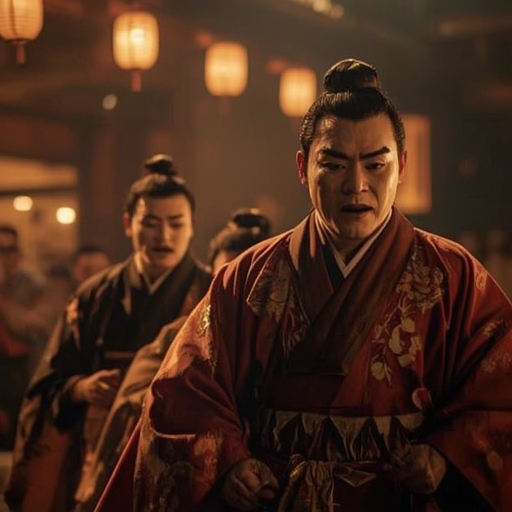
In an extraordinary turn of events, a period drama devoted to the centuries-old art of Japanese kabuki theater has risen to astonishing cinematic prominence, achieving box office success far beyond what critics or filmmakers might have envisioned. What was once expected to appeal only to a discerning cultural niche has, through sheer artistic power and emotional authenticity, transcended boundaries of taste and geography. The film’s triumph underscores a profound truth: that when traditional artistry is presented with conviction, visual grandeur, and human sincerity, it can ignite the passions of even the most contemporary audiences.
Kabuki, a form of theater renowned for its intricate costumes, stylized performances, and centuries of ritualized storytelling, has long been considered a historical treasure rather than a cinematic sensation. Yet this production, executed with meticulous craftsmanship and an unwavering respect for aesthetic detail, managed to thread the delicate balance between reverence for tradition and innovation in visual narrative. The director’s deliberate pacing and sumptuous composition invite audiences into a world where art itself becomes both subject and spectacle—a vivid reminder that cultural heritage need not remain confined to the museum or stage, but can thrive dynamically through new media.
At nearly three hours in length, the film dares to proceed at a meditative rhythm that reflects the measured choreography of kabuki theater itself. Each scene unfolds with deliberate grace, illuminating not only the performers’ artistry but also the spiritual resonance that underpins their craft. Viewers, drawn by curiosity, often find themselves captivated by an atmosphere of intensity and symbolic beauty that words scarcely convey. This deep immersion transforms what could have been an esoteric homage into a meditation on artistry, discipline, and cultural continuity.
The unexpected commercial success of such a film reveals the modern audience’s enduring hunger for authenticity. In an age saturated with fast-paced entertainment and fleeting digital distraction, this cinematic experience reaffirms that human emotion expressed through heritage retains universal appeal. The production’s resounding impact thus becomes a case study in how narratives rooted in national identity—when executed with vision and integrity—can transcend their origins to speak to collective humanity. It reminds us that even in the whirlwind of globalization, the power of authentic storytelling remains undiminished.
Ultimately, the film’s success extends beyond box office numbers. It stands as a celebration of continuity, of art bridging the past and present, and of the timeless ability of performance to awaken empathy across cultures. Through passion, dedication, and artistic mastery, kabuki has found new life on the modern screen, proving that tradition, when treated not as relic but as living expression, can still command the heart of a generation eager to rediscover beauty in its most sincere form.
Sourse: https://www.theverge.com/report/880620/ken-watanabe-interview-kokuho