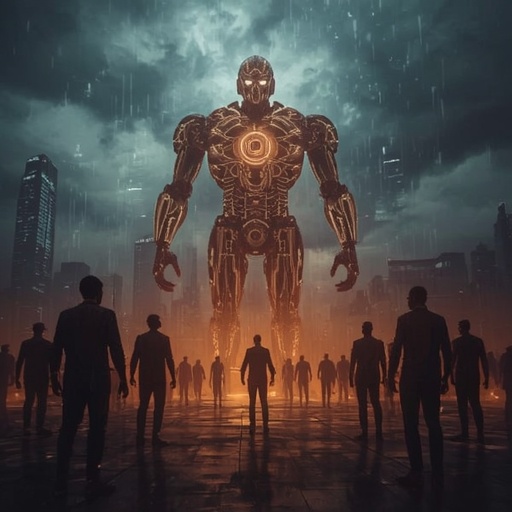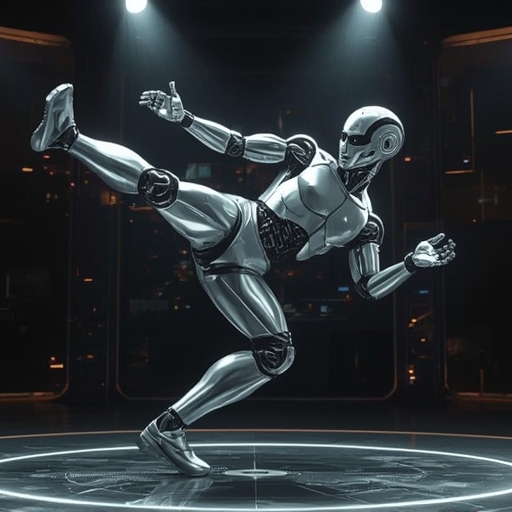
In an extraordinary demonstration that blurred the line between technological artistry and pure scientific achievement, China’s most advanced humanoid robots recently captivated audiences with a display of kinetic brilliance. These machines, meticulously engineered to replicate human motion with uncanny precision, executed sequences of kung fu maneuvers and intricate acrobatics that would challenge even the most skilled martial artists. Each fluid movement — from calculated stances to seamless backflips — reflected years of research into biomechanics, robotics, and artificial intelligence. What might have once been confined to the realm of imagination or cinematic fantasy has now materialized into an astonishing reality, underscoring how rapidly innovation within the field of robotics is advancing.
Beyond the initial spectacle of their performance lies a deeper technological narrative: a reflection of China’s accelerating capabilities in engineering and AI-driven automation. The design of these humanoid robots demonstrates a profound integration of machine learning, sensor feedback, and precision control systems. Their ability to balance, anticipate forces, and adapt dynamically to shifting momentum showcases an evolution in robotic responsiveness — an essential leap toward machines capable of functioning autonomously in environments that demand both agility and cognitive adaptability.
This exhibition, which unfolded before a national audience, served not merely as entertainment but as a symbolic milestone — a vivid portrayal of how innovation can merge artistry with mechanical intelligence. The synchronization between software and structure, between digital code and physical grace, was a testament to the ingenuity driving modern robotics. Each polished move was an orchestrated conversation between programming and performance, illustrating that robotics has evolved far beyond industrial repetition into the domain of expressive, precise human emulation.
As these humanoid robots moved through their synchronized routines, the broader implications became impossible to ignore. Their demonstration hinted at future applications where robots might not only supplement human capability but also redefine the boundaries of technology-assisted creativity, labor, and healthcare. The presentation marked a subtle yet powerful declaration: the age of mechanical precision combined with adaptive intelligence has arrived, and China is positioning itself at the forefront of this transformative evolution in robotics innovation.
Sourse: https://www.businessinsider.com/china-kung-fu-humanoid-robots-performance-spring-festival-gala-unitree-2026-2