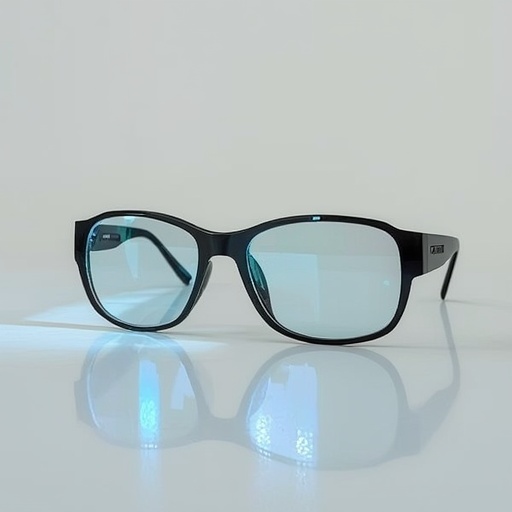
Meta’s collaboration with Ray-Ban has produced a pair of smart glasses that exude elegance and modern sophistication, seamlessly merging fashion and technology into a single wearable statement. These glasses are designed not only to enhance convenience—offering features such as hands-free photo and video capture, music playback, and real-time access to voice assistants—but also to symbolize the next frontier of personal technology, where digital connectivity becomes an extension of personal identity. The sleek contours, polished lenses, and recognizable Ray-Ban aesthetic make them appear less like experimental gadgets and more like fashion-forward accessories that could naturally blend into everyday life.\n\nYet beneath this compelling design lies a deeper and more complex issue that continues to shadow Meta’s ambitious innovation: trust. Despite the glasses’ outward brilliance and sophisticated functionality, they are inseparably tied to the company’s broader reputation—a reputation that has been repeatedly questioned due to concerns over surveillance, data privacy, and the ethical use of user information. For many potential users, the apprehension isn’t about how well the technology performs but about what personal data might silently traverse through it, where that data ultimately goes, and how it might be used. This underlying unease transforms a promising piece of wearable technology into a symbol of the uneasy trade-off between innovation and privacy.\n\nThe tension at the heart of this product illustrates a defining challenge for the entire tech industry: even the most cutting-edge hardware cannot thrive without a foundation of transparency and consumer confidence. As artificial intelligence and connected devices increasingly permeate daily routines, the boundary between digital and physical existence narrows, demanding not only technical excellence but also moral responsibility. For Meta and similar companies, winning back user trust will require more than sleek design or impressive engineering—it will require a demonstrable commitment to data ethics, clear communication about how information is collected and stored, and a willingness to put user safeguards at the forefront of future development.\n\nIn essence, Meta’s Ray-Ban smart glasses are dazzling to behold and undeniably forward-thinking, but their greatest obstacle may not be technical at all. It lies in the quiet, invisible realm of credibility. Until the brand can eliminate doubts about privacy and rebuild authentic trust, the brightest innovations will continue to be shadowed by skepticism. After all, even the smartest glasses cannot obscure the view of a company still learning to see through the lens of its users.
Sourse: https://www.theverge.com/column/881744/meta-smart-glasses-facial-recognition-rayban-privacy-wearables