Having spent nearly an entire decade immersed in the intricate and fascinating rhythm of Parisian life, I still find myself constantly discovering subtle yet remarkable cultural nuances that continue to reshape my understanding of this city and its people. Paris is not simply a geographical location; it is a living organism with its own pulse, taste, and spirit — one that evolves yet remains deeply anchored in tradition. Even after ten years, the smallest encounters manage to surprise me, reminding me how beautifully complex cultural adaptation can be.
One of the earliest revelations came through the healthcare system — a structure that at first seemed paradoxical: simultaneously methodical and personal, bureaucratic yet profoundly humane. Unlike what I was accustomed to before moving here, French healthcare is woven into everyday life, reflecting a collective philosophy that values well-being as a shared societal responsibility rather than an individual convenience. Witnessing the effortless efficiency of a system that balances accessibility with quality offered a deep insight into the French mindset, where pragmatism and empathy coexist in quiet harmony.
Beyond matters of health, Paris continues to astonish with its effortless and often unspoken dedication to style. The city’s fashion scene is not confined to haute couture runways or glossy boutiques — it spills into cobblestone streets, into the way people tie scarves, layer textures, and choose muted tones that somehow express the radiance of self-discipline. Parisians dress not for attention, but as an homage to refinement, as though each outfit pays respect to centuries of artistic sensibility. This understated elegance reflects a cultural truth: that beauty here is not performed, but lived.
Everyday habits, too, reveal much about the Parisian rhythm. The sacred ritual of the café — unhurried, communal, and contemplative — is more than a caffeine break; it is an art of presence. Sitting with a tiny espresso and allowing time to stand still teaches lessons in simplicity and mindfulness that transcend cultural barriers. Likewise, the enduring smoking culture, though perplexing to outsiders, speaks to a paradoxical appreciation for rebellion wrapped in tradition — a manifestation of France’s unyielding devotion to personal freedom, even when paradoxically at odds with health consciousness.
Yet, the process of living abroad in Paris has never been solely about observing another culture; it has also become a quiet journey into my own identity. Every adaptation — from language missteps to social faux pas — unfolds into deeper lessons about patience, humility, and cultural sensitivity. The beauty of these discoveries lies not merely in what they reveal about the French, but in how they mirror one’s evolving sense of belonging. To live abroad is to exist in a constant dialogue between past and present selves, between where you come from and where you are becoming.
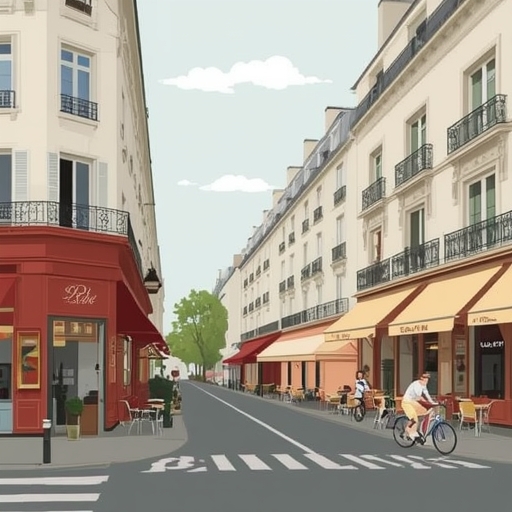
Today, after nearly ten years, I can say that life in Paris is an ongoing study of contrast — between structure and spontaneity, discipline and pleasure, individuality and community. Each day continues to offer new perspectives, whether in the way light filters through the narrow streets of Le Marais, in conversations overheard at a corner brasserie, or in the understated grace of a stranger’s nod. Living here has been far more than an expatriate experience; it has been a decade-long education in culture, empathy, and quiet wonder — proof that even after all this time, Paris still has endless ways to surprise those who choose to listen to her heartbeat.
Sourse: https://www.businessinsider.com/surprising-things-living-in-paris-as-american-2026-2