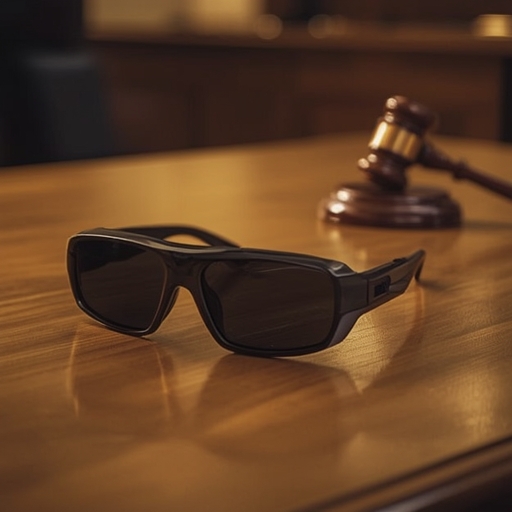
Smart glasses appearing in a courtroom have ignited an intense discussion about the intersection of innovation, surveillance, and personal rights. What might seem like a sleek technological accessory—lightweight spectacles enhanced with discreet cameras or augmented capabilities—suddenly becomes a symbol of the growing tension between the drive for progress and the preservation of privacy. As these devices quietly integrate into daily life, their presence in a place as solemn and carefully regulated as a courtroom captures a deeper societal dilemma: how should justice respond to technology that both empowers and endangers transparency?
In judicial environments, every gesture and recorded word can carry legal weight. The courtroom represents not only the pursuit of truth but also a controlled space where confidentiality, fairness, and impartiality are paramount. When smart glasses enter that space, they introduce the possibility of unauthorized recording, subtle manipulation, or inadvertent breaches of decorum that could compromise the integrity of proceedings. The mere suspicion that someone could document others without consent challenges the balance of trust upon which legal systems rely. Even if no recording occurs, the uncertainty surrounding these devices can erode a sense of security among participants—judges, attorneys, witnesses, and jurors alike.
This issue is not merely theoretical. As technologies evolve faster than legislative frameworks, courts and institutions are often forced to interpret ethical norms on the fly. Should wearable devices with embedded cameras be banned in certain contexts? Or should administrators instead rely on professional ethics and self-regulation to ensure compliance? The challenges are similar to those faced when smartphones first became ubiquitous, yet smart glasses add another layer of complexity: their capabilities are designed to be inconspicuous, almost invisible, effectively blurring the line between observation and intrusion.
Furthermore, the debate extends beyond legality to the subtler realm of social trust and human behavior. Smart glasses invite questions about authenticity—can someone truly speak freely if they suspect they are being watched or recorded? In environments where honesty is both a moral and procedural requirement, even the smallest doubt can alter outcomes. Thus, these technological innovations, while fascinating and potentially beneficial in many domains, compel professional communities to redefine boundaries of appropriateness and respect.
Ultimately, the presence of smart glasses in a courtroom serves as a powerful metaphor for our times: society must continually renegotiate the boundaries between innovation and restraint. The progress of technology offers unprecedented opportunities but also demands equally sophisticated ethical reflection. If law represents the conscience of civilization, then its response to disruptive tools like smart glasses will reveal how deeply we value privacy, fairness, and human dignity in the digital age.
Sourse: https://www.theverge.com/tech/882030/smart-glasses-in-court-meta-mark-zuckerberg