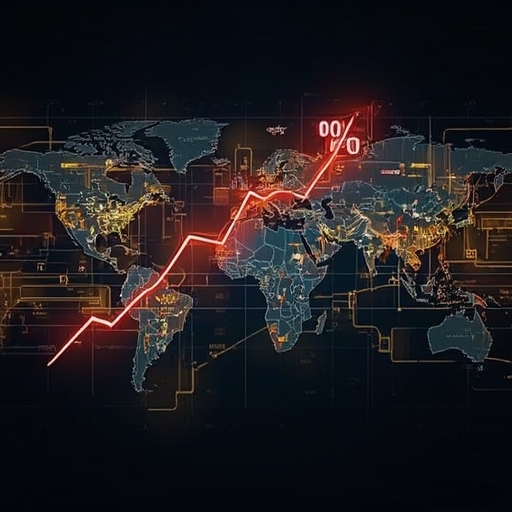
The current landscape of international commerce is entering an increasingly volatile phase, as new reports strongly suggest that global tariffs—which already stand at ten percent—are poised to be elevated to fifteen percent. This proposed adjustment may appear numerically modest, yet in practical terms, it represents a significant recalibration of global economic strategy. By amplifying these essential trade barriers, governments are signaling both their intent to fortify domestic markets and their willingness to accept heightened friction in international exchange.
This shift carries multifaceted implications for businesses operating across borders. For manufacturers, higher tariffs mean increased production costs, especially for industries heavily reliant on imported raw materials, machinery, or components. Retailers and distributors may soon find themselves compelled to adjust pricing structures, as supply chain constraints drive up the cost of goods. Consumers, in turn, are likely to experience these effects indirectly through rising retail prices, reduced product diversity, and delayed access to certain international goods.
From a geopolitical perspective, the decision to increase tariffs underscores a broader movement toward economic nationalism—a deliberate attempt by major economies to assert greater self-sufficiency. While proponents argue that such measures protect local employment and stimulate domestic investment, critics warn that the cumulative effect of tariff escalation can weaken global trade networks, suppress innovation, and erode international cooperation. The resulting environment of uncertainty may deter cross-border investment, destabilize currency markets, and complicate long-term strategic planning for multinational enterprises.
For ordinary citizens, the ramifications are equally palpable though less immediately visible. The interconnected nature of today’s supply chains ensures that even small changes reverberate across multiple sectors—from electronics and automotive manufacturing to agriculture and consumer goods. For example, a tariff on imported steel might alter car prices in distant markets, while higher levies on agricultural exports could influence food availability on the other side of the world.
In essence, a five-percent increase in global tariffs is more than a bureaucratic adjustment—it is a pivotal act in the ongoing redefinition of international trade. As market participants brace for its effects, both policymakers and consumers must navigate an era where economic protectionism and global interdependence coexist in perpetual tension. How this delicate balance evolves will shape not only corporate strategies and government policies, but also the everyday realities of millions who rely on the seamless flow of goods across borders. The coming months will reveal whether this resurgence in tariff policy fosters stability through self-reliance or ushers in a new wave of global disruption.
Sourse: https://www.businessinsider.com/trump-raise-global-tariff-supreme-court-2026-2