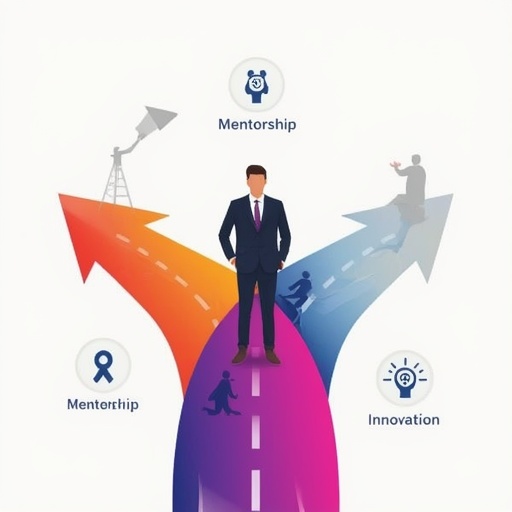
Sam Altman’s observation serves as a profound reflection on the parallels between human and artificial learning. When he points out that training humans also requires tremendous amounts of energy, he draws attention to a truth that often escapes discussions centered solely on the environmental impact of artificial intelligence. While much of the public debate focuses on the electricity and computational power demanded by large-scale AI models, Altman’s statement invites us to broaden our perspective and acknowledge that the process of cultivating human intelligence—through education, mentorship, and lived experience—has always been an immensely resource-intensive endeavor.
Think of the decades it takes for a person to achieve mastery in any complex field. From early education and academic institutions to professional development and practical application, an extraordinary amount of energy—both in the literal sense of human labor and the figurative sense of intellectual effort—is invested in shaping capable minds. This ongoing process of learning consumes not only calories and physical vitality but also the energy embodied in infrastructure, transportation, and the systems that sustain our intellectual growth. In this broader context, the comparison between AI’s energy consumption and human development becomes especially illuminating.
Altman’s comment therefore encourages a more balanced and holistic understanding of sustainability in the age of intelligent systems. It suggests that the pursuit of efficiency should not stop at optimizing servers or refining algorithms; it should extend to how we educate, motivate, and empower people. If AI is to augment human creativity rather than replace it, then investing wisely in both technological and human advancements is essential. The conversation must evolve from simple concerns about power usage to deeper questions: How can we train minds—biological or artificial—more effectively, without exhausting the planet’s resources? What does responsible innovation look like when viewed through the lens of ecological and intellectual stewardship?
Ultimately, Altman’s insight is a reminder that intelligence, in any form, comes at a cost. Whether through the carbon footprint of supercomputers or the cumulative energy of human civilization’s pursuit of knowledge, growth requires expenditure. Yet this very cost also underscores the value of progress. By recognizing the shared energy demands of human and machine learning, we move closer to a framework for innovation that respects both ecological limits and the boundless potential of the human spirit. In this vision, efficiency and enlightenment are not opposing forces, but complementary goals guiding the evolution of technology and humanity together.
Sourse: https://techcrunch.com/2026/02/21/sam-altman-would-like-remind-you-that-humans-use-a-lot-of-energy-too/