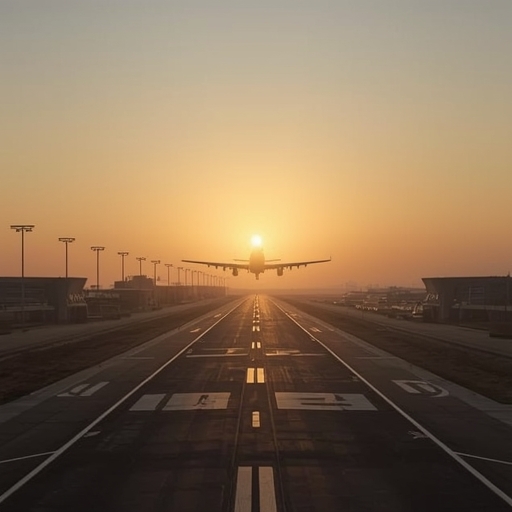
In the wake of recent regional turbulence and the resultant disruptions to flight operations, Abu Dhabi’s airspace stands as a vivid testament to the complexities of maintaining global connectivity during periods of geopolitical unrest. Although a handful of flights have now managed to depart, restoring a sense of cautious optimism, much of the network remains hindered by uncertainty and operational constraints. Etihad Airways — the United Arab Emirates’ flagship carrier — has successfully launched eight flights, signaling the first measured steps toward normalcy. Nevertheless, the broader aviation landscape continues to grapple with logistical ambiguities, altered flight paths, and heightened security considerations that have redefined the flow of international travel.
This partial resumption of service underscores the intricate balance that airlines must strike between safety, efficiency, and responsiveness to rapidly evolving political realities. The tension in regional airspaces, resulting from recent strikes and escalating cross-border anxieties, has forced carriers to adapt swiftly, rerouting aircraft and revising schedules to safeguard passengers and crew alike. For travelers, that means a volatile environment where confirmed itineraries can change at a moment’s notice, pivoting on developments beyond any individual airline’s control.
Despite these challenges, the determined efforts of ground staff, flight operators, and regulatory bodies reveal the aviation industry’s resilience — its ability to function under intense pressure while maintaining meticulous adherence to international safety standards. Abu Dhabi International Airport, one of the region’s most strategically situated transit hubs, remains at the center of these efforts, carefully coordinating each cleared departure amid the lingering effects of disrupted air corridors and restricted flight zones.
This ongoing situation not only exemplifies the interdependence of nations within the global air transport network but also serves as a reminder of how swiftly geopolitical fractures can impact everyday life in an interconnected world. For business travelers and tourists alike, patience and vigilance have become essential virtues as the sector gradually rebuilds confidence in the stability of flight operations. As aviation experts continue to monitor the skies and calibrate routes accordingly, Abu Dhabi’s cautious reopening represents both progress and prudence — a delicate balancing act between ambition and awareness that defines flying in uncertain times.
Sourse: https://www.businessinsider.com/middle-east-flights-resume-but-confusion-reigns-etihad-iran-strikes-2026-3