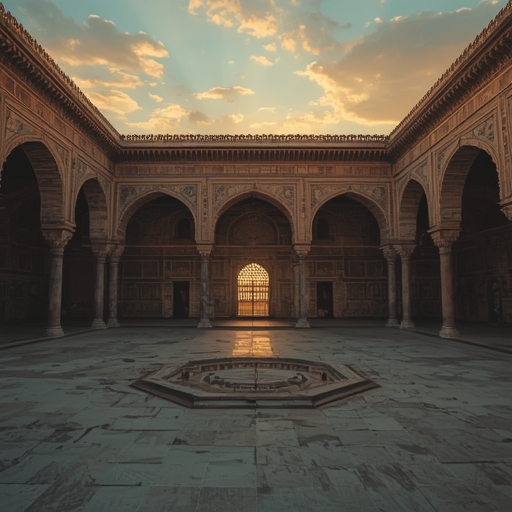
The Golestan Palace, an architectural jewel situated in the historic heart of Tehran, stands as one of Iran’s most precious cultural and artistic monuments and has proudly held its status as a UNESCO World Heritage Site for centuries. This extraordinary complex, with its opulent halls, mirrored chambers, and masterful tilework, represents over four hundred years of Persian history, bridging the Safavid, Zand, Qajar, and Pahlavi eras. Each façade, mural, and mosaic narrates a chapter of Iran’s evolving identity and artistic grandeur. Yet today, this timeless treasure has become a poignant symbol of vulnerability and loss, as its ancient walls now bear the visible scars of recent strikes that have shaken the city. These wounds are more than physical—they echo the fragility of shared human heritage, reminding the world that cultural preservation is inseparable from peace itself.
For generations, the Golestan Palace served as the ceremonial heart of royal power, where kings were crowned beneath ceilings adorned with glistening crystals and the nation’s destiny was written into architecture. Its courtyards once echoed with diplomatic receptions, artistic exhibitions, and the voices of poets celebrating Persian civilization’s enduring spirit. The damage it now endures is not merely a blow to Iranian history but a loss to humanity’s collective memory. Cultural artifacts like Golestan are living testimonies that connect past and present, conveying lessons of creativity, endurance, and identity across centuries.
The recent devastation underscores an essential truth: heritage sites are not isolated relics of a distant past but integral threads within the global human tapestry. When one such monument suffers, the wound extends far beyond borders, touching those who understand that art, culture, and architecture shape our sense of belonging. Protecting monuments like the Golestan Palace is therefore not only an act of national pride but also an ethical obligation of global citizenship. To preserve them is to defend the memory of what humanity has achieved together—and to affirm our shared hope that beauty can survive even amid destruction.
May the scars on Golestan’s marble columns serve both as a warning and as a call to reflection. They remind us that culture cannot coexist with conflict, and that the preservation of art and heritage is, at its core, an investment in peace. In witnessing the damaged palace, the world is urged to uphold the value of empathy, understanding, and collective stewardship over the legacies we have inherited. The Golestan Palace remains, despite its suffering, a monument to resilience—a standing testament to the endurance of art, history, and the human spirit in the face of adversity. 🏛️
Sourse: https://www.businessinsider.com/golestan-palace-iran-strikes-damage-photos-2026-3