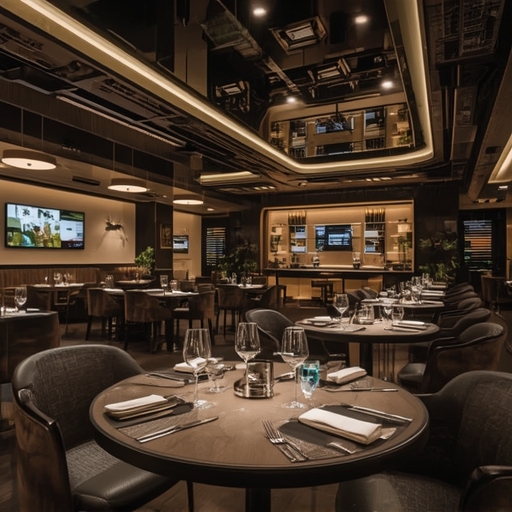
Across the modern culinary landscape, restaurants long cherished as spaces of shared experience and sensory delight are undergoing a profound technological metamorphosis. Once defined purely by ingredients, craftsmanship, and atmosphere, many beloved dining establishments are now evolving into hybrid enterprises that blend traditional hospitality with the precision and scalability of technology companies. Artificial intelligence and data-driven systems have become central players in this transformation, shaping everything from kitchen logistics to menu optimization and customer engagement.
The contemporary restaurant no longer relies solely on the instincts of chefs and waitstaff; behind the comforting aroma of freshly cooked meals lies an intricate digital infrastructure. Machine learning tools forecast inventory needs, reduce waste, and analyze purchasing patterns with near-surgical accuracy. Intelligent recommendation engines personalize menu suggestions, adapting to each diner’s preferences and dietary history, while automated service platforms streamline order management between the kitchen and the front of house. These innovations enhance efficiency and elevate consistency, ensuring that what once depended heavily on human attentiveness can now be executed at scale with remarkable precision.
Yet amid this accelerating wave of innovation, the very essence of hospitality—those subtle gestures that make guests feel seen, welcomed, and cared for—faces an existential challenge. A perfectly optimized system may anticipate a diner’s needs, but can it replicate the warmth of genuine conversation or the intuition of a seasoned maître d’? Technology offers immense power to refine operations, but it risks reducing the emotional dimension of dining to a mere algorithmic output if applied without sensitivity. Thus, the central question for the industry becomes not whether restaurants can adopt AI, but how they can do so while preserving the authenticity of human connection that has always anchored the culinary experience.
The parallel evolution of food and code invites a delicate balancing act. Success will depend on the ability of restaurateurs and technologists to collaborate thoughtfully—to design digital systems that complement rather than replace hospitality’s human touch. For instance, AI-driven analytics might inform chefs about guest trends, but the act of crafting a dish or delivering it with a smile remains uniquely personal. Similarly, automated checkouts and smart ordering systems reduce friction, freeing staff to focus more deeply on creating moments of delight that machines cannot reproduce.
Ultimately, the restaurant of the future may resemble an ecosystem where intelligence—both artificial and human—intertwines seamlessly. Technology will continue to handle the invisible complexities of efficiency and prediction, while people will embody the empathy, intuition, and cultural storytelling that no algorithm can imitate. If this union is achieved, the industry can progress toward a vision of dining that is not coldly mechanized but beautifully augmented: a place where innovation amplifies warmth, data empowers creativity, and guests experience service that feels both smarter and more sincere than ever before.
Sourse: https://www.businessinsider.com/your-favorite-restaurant-is-becoming-a-tech-company-2026-2