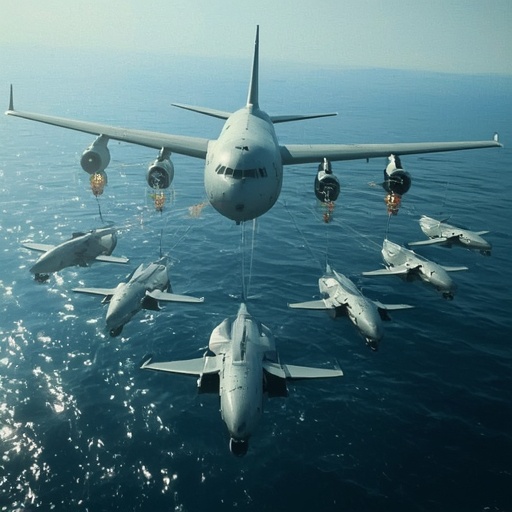
Artificial Intelligence has rapidly evolved from a theoretical concept and a driver of commercial innovation into a decisive force that is fundamentally reshaping the nature of warfare in the modern age. Around the world—and particularly in regions of high geopolitical tension such as Iran—machine learning systems, predictive algorithms, and autonomous control technologies are no longer confined to research laboratories or civilian applications. They have become integral to military strategy, operations, and decision-making at every level of command.
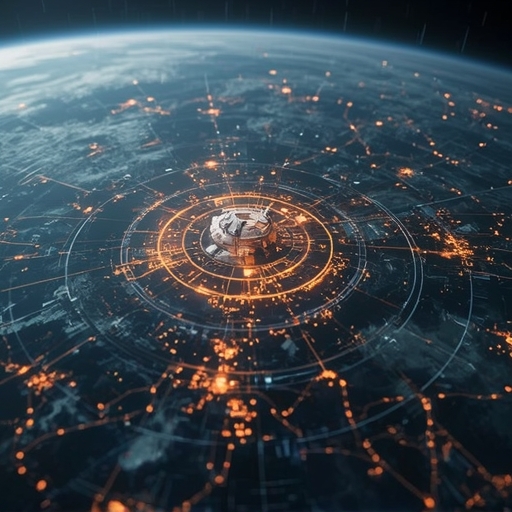
In the context of Iran, AI-enhanced systems are accelerating the processes that once required extensive human analysis and time-consuming information loops. Intelligence gathering, for instance, has been revolutionized through the integration of artificial neural networks capable of rapidly processing and correlating massive datasets drawn from surveillance satellites, reconnaissance drones, and cyber intelligence feeds. These systems can identify patterns in enemy movement, decode communication signals, and forecast potential threats with a speed and precision unattainable by human analysts alone. This transformation has allowed military planners and commanders to make informed decisions in near real time, significantly narrowing the window between detection and response.
Simultaneously, AI-driven targeting technologies are refining the accuracy of military strikes, ensuring that armed forces can achieve strategic objectives while minimizing collateral damage. Through the use of computer vision, advanced sensor fusion, and algorithmic targeting models, weapons platforms now operate with extraordinary precision. The same computational frameworks that support predictive analytics in the business sector—used to optimize logistics, enhance consumer engagement, or forecast market shifts—are adapted on the battlefield to anticipate adversarial maneuvers and allocate resources efficiently.
Moreover, artificial intelligence facilitates post-engagement analysis by enabling real-time damage assessment. Systems equipped with deep learning models evaluate satellite and aerial imagery immediately after an operation, providing critical feedback on mission effectiveness and the integrity of infrastructure or terrain. These capabilities ensure that subsequent operational decisions are driven by accurate, up-to-date information, thereby optimizing the overall efficiency of military campaigns.
Yet, the transformative effect of AI on warfare extends far beyond tactical advantages. It underscores a broader shift in global defense paradigms, where data, automation, and computational intelligence have become as vital as conventional weaponry. The same innovations that enhance productivity and connectivity in civilian life—automation, machine reasoning, adaptive learning—now define the contours of modern conflict. As these technologies continue to mature, the line between digital and physical warfare blurs further, signaling a future in which strategic dominance depends not only on firepower but on the mastery of algorithms and data-driven foresight.
Ultimately, the evolution of artificial intelligence from a commercial utility into a cornerstone of national defense reveals a profound interconnection between technological progress and global security. The advances transforming our workplaces, cities, and economies are simultaneously redefining how nations prepare for and engage in conflict. Iran’s experience serves as a compelling example of how quickly this paradigm is evolving, offering crucial insights into the future of warfare—where speed, precision, and algorithmic intelligence converge to reshape the balance of power worldwide. #AI #DefenseTech #FutureWarfare #Innovation #GlobalSecurity
Sourse: https://www.wsj.com/tech/ai/how-ai-is-turbocharging-the-war-in-iran-aca59002?mod=rss_Technology