There’s something both exhilarating and exhausting about immersing yourself in the pulse of a vast metropolis, and Mexico City epitomizes that sensation perfectly. The sprawling capital vibrates with boundless energy—its avenues alive with honking traffic, street vendors’ calls mingling with mariachi tunes, and the constant shuffle of millions of people chasing their own rhythm. For many travelers, it is a dream destination filled with culture, art, food, and a kind of urban vitality that can be intoxicating. Yet for me, after a few days of absorbing its dynamism, I began to crave a quieter pace and a gentler cadence to match the state of mind that travel often stirs—a desire for reflection rather than motion.
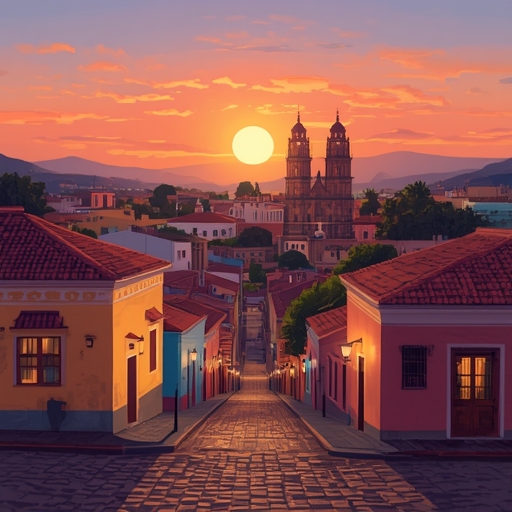
That yearning led me to discover Santiago de Querétaro, a city that exists just a short bus journey away yet feels like an entirely different world. While Mexico City sprawls endlessly toward the horizon, Querétaro greets you with intimate, walkable streets lined with colonial architecture and pastel facades that seem to hum softly in the afternoon light. The historic center—full of graceful arches, baroque churches, and neatly kept plazas—tells stories not through noise but through atmosphere. Where the capital’s tempo demands your attention, Querétaro invites it through quiet charm.
Every corner of this smaller city reflects balance and refinement. Cafés spill onto cobblestone sidewalks, their tables shaded by climbing vines and sun-bleached awnings, offering spaces to linger rather than rush. The soundscape shifts from car horns to the gentle murmur of fountains, and the air carries a warmth that encourages stillness. Here, history is not preserved behind museum glass but woven seamlessly into daily life. You feel it as you stroll past ornate colonial mansions now housing art galleries and restaurants that blend contemporary creativity with traditional Mexican flavor. The layers of the past sit comfortably beside the present, forming a harmony that larger cities often struggle to sustain.
Arriving in Querétaro was like taking a deep breath after holding one without realizing it. The beauty of its old quarter, declared a UNESCO World Heritage Site, lies not only in its architecture but also in its human scale—the way it makes you slow down, notice, and engage. Standing in Jardín Zenea, watching families gather under the shade of orange trees as a breeze carries the sound of a distant guitar, I understood why the city earns such affection from those who discover it. It offers tranquility without emptiness and culture without chaos.
This experience reminded me that travel is not always about finding the biggest or most famous destination. Sometimes, it is about letting curiosity lead you away from the spotlight to places where the heart can rest as much as the eyes can wander. Mexico City dazzled me, but Querétaro grounded me—a difference that revealed the variety of beauty within a single country. The contrast between the two destinations became a lesson in balance: that every journey requires both intensity and calm, exhilaration and peace.
In the end, my brief escape from the metropolis to this graceful city did not feel like leaving excitement behind, but rather like rediscovering what it means to appreciate life at a more deliberate pace. Santiago de Querétaro may not boast the sheer scale or speed of Mexico City, but it radiates its own quiet splendor—a reminder that sometimes the greatest adventures are the ones that teach us to slow down, listen, and simply be present in the world around us.
Sourse: https://www.businessinsider.com/skip-mexico-city-where-to-go-instead-nearby-queretaro-tips-2026-3