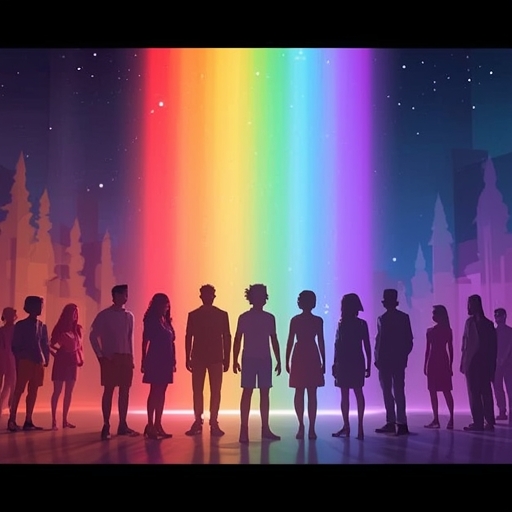
In recent weeks, Pixar’s internal creative decisions have sparked a wave of introspection and debate throughout the entertainment industry. The studio’s move to reduce or remove LGBTQ+ references from certain storylines has reignited an ongoing conversation about what it truly means to create inclusive, forward-thinking storytelling in a world increasingly vocal about representation. This isn’t just a discussion about one company’s artistic direction—it’s a reflection of how cultural institutions weigh authenticity against commercial caution.
At its core, storytelling has always been an act of empathy. By giving audiences a mirror to see themselves—and a window through which to understand others—great narratives bridge divides and nurture understanding. Pixar has long been celebrated for its unique ability to blend emotional depth with creative brilliance, producing films that resonate across generations and social boundaries. Yet the decision to limit portrayals of LGBTQ+ characters and narratives raises profound questions about creative integrity and moral responsibility. If stories shape who we are, what happens when entire identities are edited out for the sake of comfort or marketability?
Corporate stakeholders may argue that family-friendly content must appeal to diverse international audiences, some of whom exist in regions with strict censorship laws or differing cultural norms. However, this line of reasoning also exposes the tension between risk management and the evolution of art. True representation requires more than cautious inclusion—it demands courage, conviction, and the willingness to tell stories that might challenge as much as they inspire. Playing it safe may maintain short-term harmony, but it risks diminishing the very power storytelling holds to transform hearts and minds.
For many viewers and creators alike, Pixar’s current position reflects a broader industry struggle: How can studios honor both financial imperatives and human authenticity? The question is not whether inclusivity should exist—modern audiences have made that clear—but whether studios are willing to lead that change with integrity rather than follow it reluctantly.
Perhaps the real challenge lies not in deciding whether ‘family-friendly’ can coexist with diversity, but in reimagining what ‘family’ means in the first place. Families come in infinite forms, and the artistry of cinema should be expansive enough to embrace them all. Pixar, built on stories about courage, imagination, and acceptance, remains uniquely positioned to redefine these boundaries. To do so is not only to uphold creative bravery but to reaffirm the timeless truth that great storytelling reflects the full, colorful spectrum of human experience.
Sourse: https://gizmodo.com/pete-docter-defends-cutting-lgbtq-content-from-pixar-movies-with-cowardice-2000731126