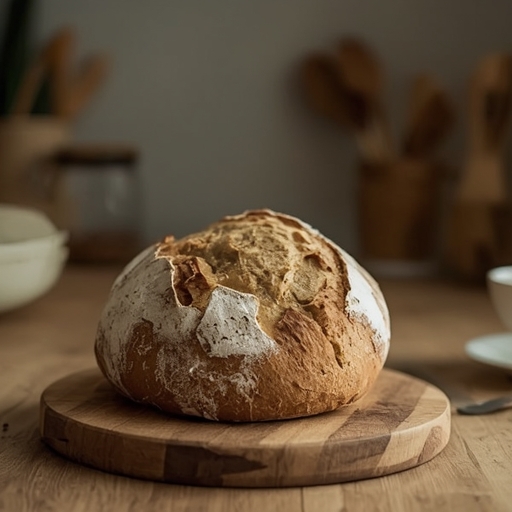
Baking your own sourdough bread might sound like an easy and economical way to stretch your grocery budget, but the experience quickly reveals itself to be both an art and a science—a deeply rewarding pursuit that also requires time, precision, and patience. When I first decided to begin this adventure, I saw it primarily as a cost-saving measure. After a few missteps, countless hours of waiting for dough to rise, and more research than I expected, I discovered that homemade sourdough is about far more than saving a few dollars—it’s a process that invites mindfulness, creativity, and respect for time itself.
The five lessons that I learned through my early experiments reshaped not only my baking routine but also my approach to daily life. First, I discovered the importance of cultivating patience. Unlike store-bought bread, which comes ready in an instant, sourdough operates on nature’s schedule. The complex fermentation process requires slow, deliberate attention, teaching me that good results cannot be rushed. This simple truth became a parallel for everyday decisions: sometimes, long-term rewards demand more waiting and care than quick fixes.
Second, I came to understand that sourdough is a living art. The starter—a mixture of flour and water teeming with wild yeasts—must be fed, watched, and tended as though it were a tiny ecosystem. At first, I underestimated how interconnected temperature, humidity, and feeding schedules could be. But as I became more attuned to the rhythms of my starter, I gained a new appreciation for the invisible forces that shape so many homemade creations.
The third revelation was about cost versus value. While sourdough ingredients are inexpensive, the time investment is substantial. Hours of proofing, shaping, and baking tested my willingness to prioritize process over convenience. Yet, when I finally pulled my first golden-crusted loaf from the oven—the scent filling the kitchen with a rustic warmth—I realized that the experience itself was priceless. The bread wasn’t just food; it was evidence of persistence and personal growth.
My fourth insight centered on experimentation. Each bake brought slight variations, teaching me that small adjustments in hydration, flour type, or oven temperature could transform the texture and flavor completely. What seemed like frustrating inconsistencies at first soon became opportunities to explore creativity within structure. Life, I noticed, often mirrors that same dynamic: within carefully set boundaries, we find the freedom to adapt and innovate.
Finally, I learned the quiet joy of sharing. Sourdough has an inherently communal nature—starters can be gifted, loaves can be shared, and each slice carries a story of time and care. Offering bread to friends and family reconnected me with something essential: the satisfaction of creating something with my own hands that brings genuine comfort to others.
For anyone curious about baking sourdough as a strategy for saving money, my advice is this: yes, you may trim your grocery expenses, but you will also gain a richer appreciation for patience, craftsmanship, and the simple beauty of transformation. In a world that often prioritizes speed and convenience, sourdough stands as a fragrant reminder that slow processes can yield the most nourishing results—both for the body and the spirit.
Sourse: https://www.businessinsider.com/mistakes-making-sourdough-bread-at-home-save-money-2026